Original: $899.00
-70%$899.00
$269.70The Story
Langendorf Watch Company was a watchmaker located in Langendorf, Switzerland. The company was founded by Colonel Johann Viktor Kottmann, first as Uhrenfabrik Langendorf S.A. in 1873 to produce ebauches -part of movements for watches- for other watchmaker companies. The factory remained in the hands of his family until 1964.
Around 1880, the company almost suffered an economic collapse, after that, the factory began organizing housing and training of their workers, and it gained a reputation for being socially responsible. "It built schools, a hydrant system and financed the installation of electric light in Langendorf. Also, the Kottmann family founded a society for community work that is still active." It was around the same time when Johann's son, Karl Kottmann took over and brought specialist from westerm Switzerland and helped turn the company around. Karl implemented a rational and mechanized production line. Also, he was the person behind the socially responsible initiatives taken by the company.
From 1887 and onwards, with order flowing in, and production expanded strongly, the factory was deepened, and the company became largely independent of suppliers. By 1890, with around 1,000 employees, the company was probably the largest producer of watches in the world. In 1890, Karl died and the technical director, Lucien Tieche, took over the company and the name was changed to Langendorf Watch Company.
In 1902, Ernst Kottman became manager of the company until 1942. In 1916, the factory employed 1,500 workers and produced 3,000 time-pieces daily. By 1920, the company was also producing alarm clocks. In the same decade, the firm expanded and opened a branch at Lommiswil in 1924 and the following year in La Cahux-de-Fonds. Before his resign, in 1942, Ernst made the change from steam-powered production to electricity.
His brother, Rudolf Kottmann took the position until 1964. In 1959, a new factory would be completed and produced Lanco (an abbreviation of Langendorf Watch Company) watches, the most famous brand of the company. Lanco was discontinued in the late 1960's and revived again from 1971 to around 1980.
Hass Kottmann took over in 1964, but he died in the same year. Then, the company was led by Guido Kottmann and a committe of family members, but due to challenging business conditions, in 1964, the firm joined a conglomerate of watchmakers called "Schweizerischen Gessellschaft fur Uhrenindustrie AG" (SGU). The following year, the company was bought by "Societe Suisse pour l'Industrie Horlogere SA" (SSIH). "The Langendorf Watch Company was attractive for the Lanco brand and its highly sophisticated and semi-automated production line with modern manufacturing equipment. With the acquisition, SSIH managed to broad its product range and got the machinery needed to produce quality products at lower cost than before."
In 1973, the production ceased at the Langendorf factory, and the Lanco brand relegated to the Aetos Watch Company (another sub-branch of SSIH). For a century -1873 to 1973- Langendorf Watch Company was well known for its fine craftsmanship and great attention to detail.
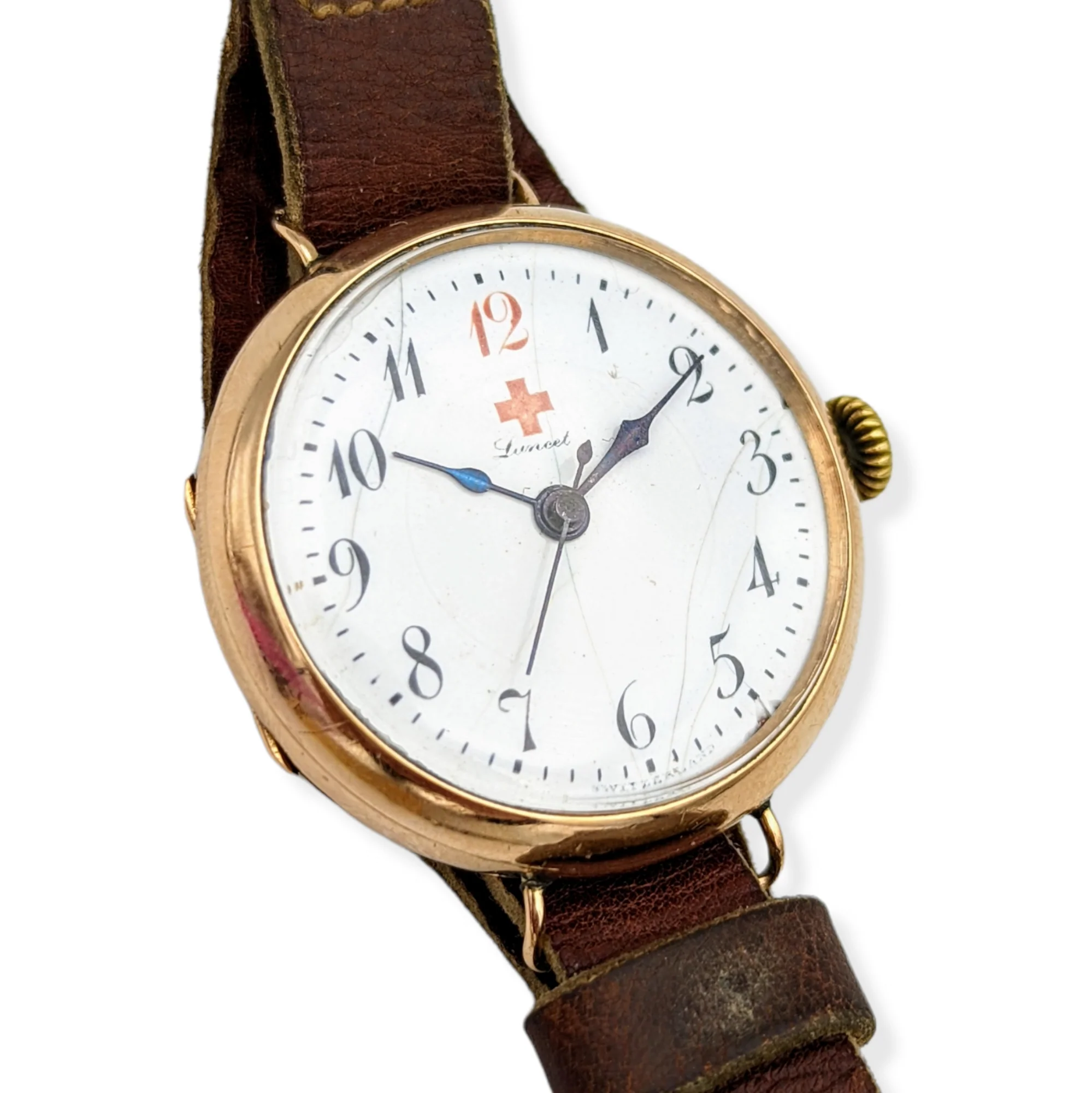
WWI LANCET Trench Watch
- Medical Wristwatch -
14K Gold
"Invaluable for Hospital Work"
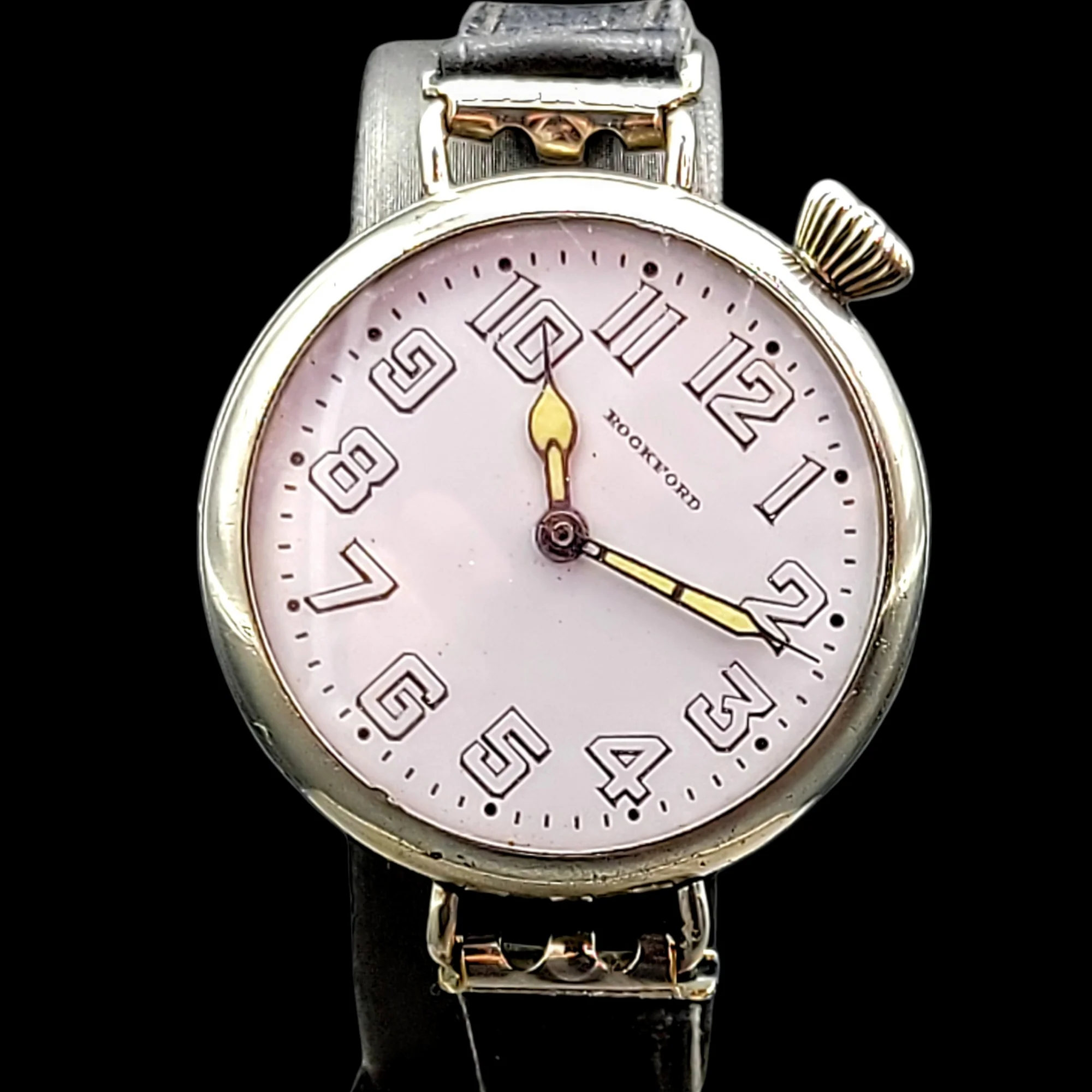
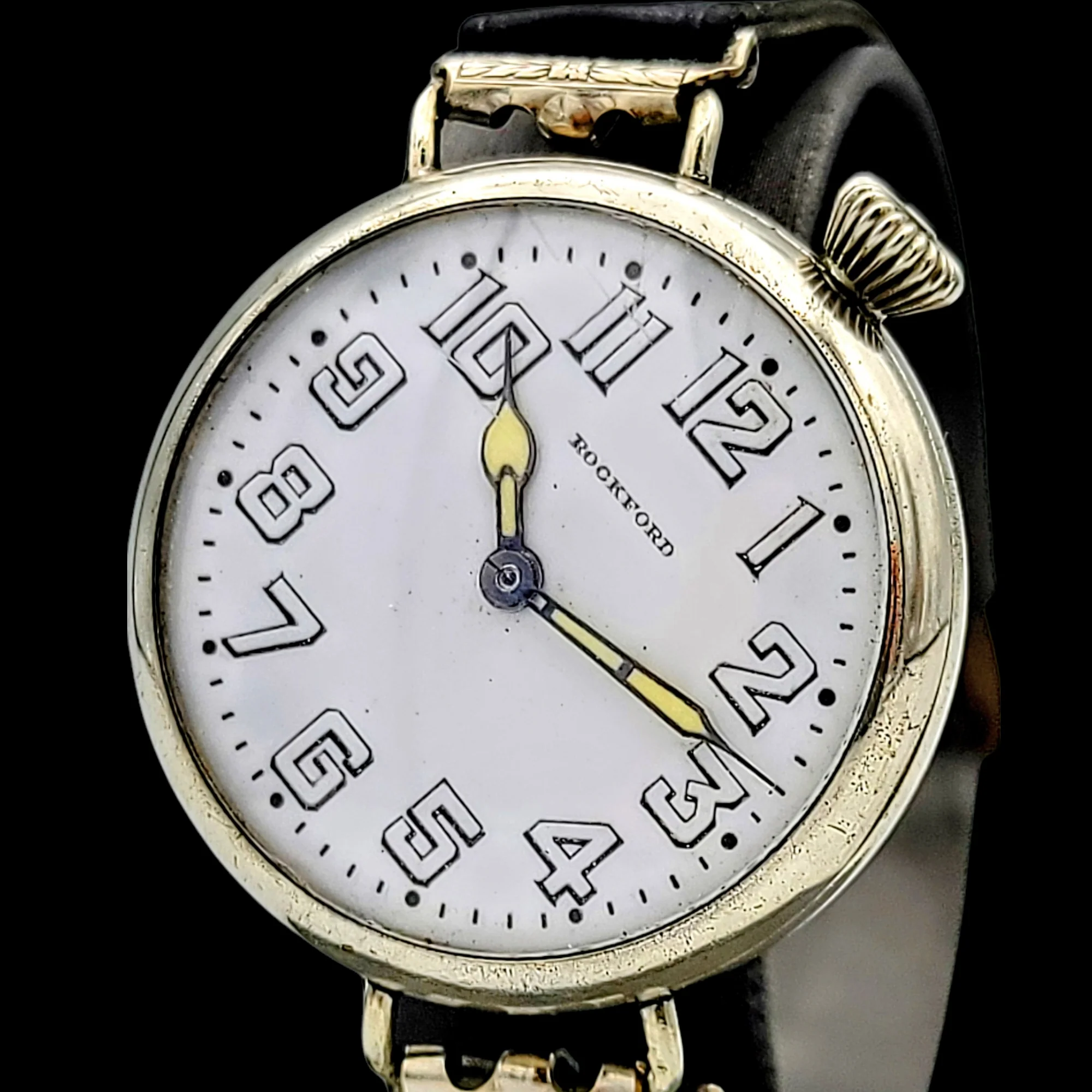
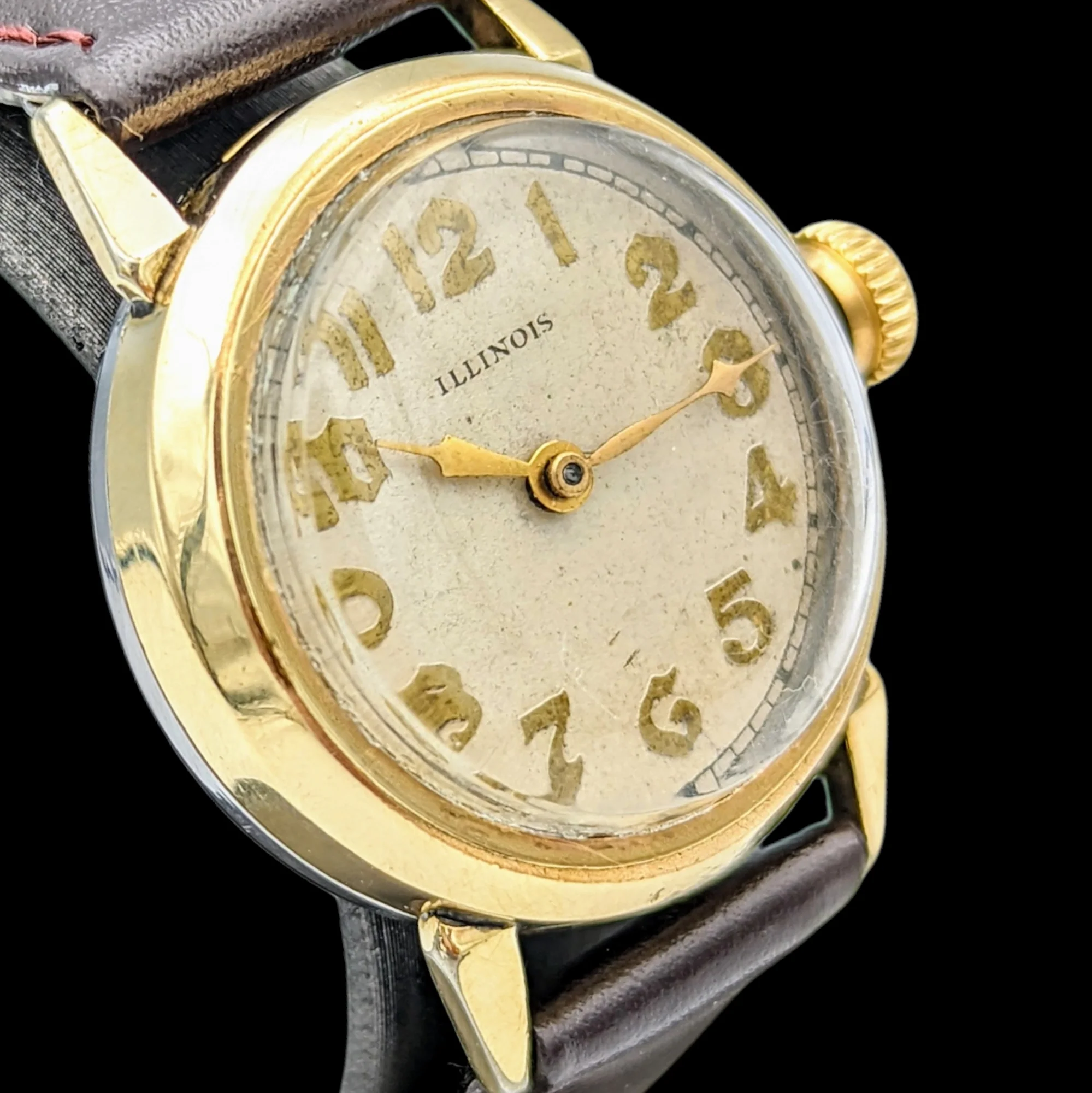
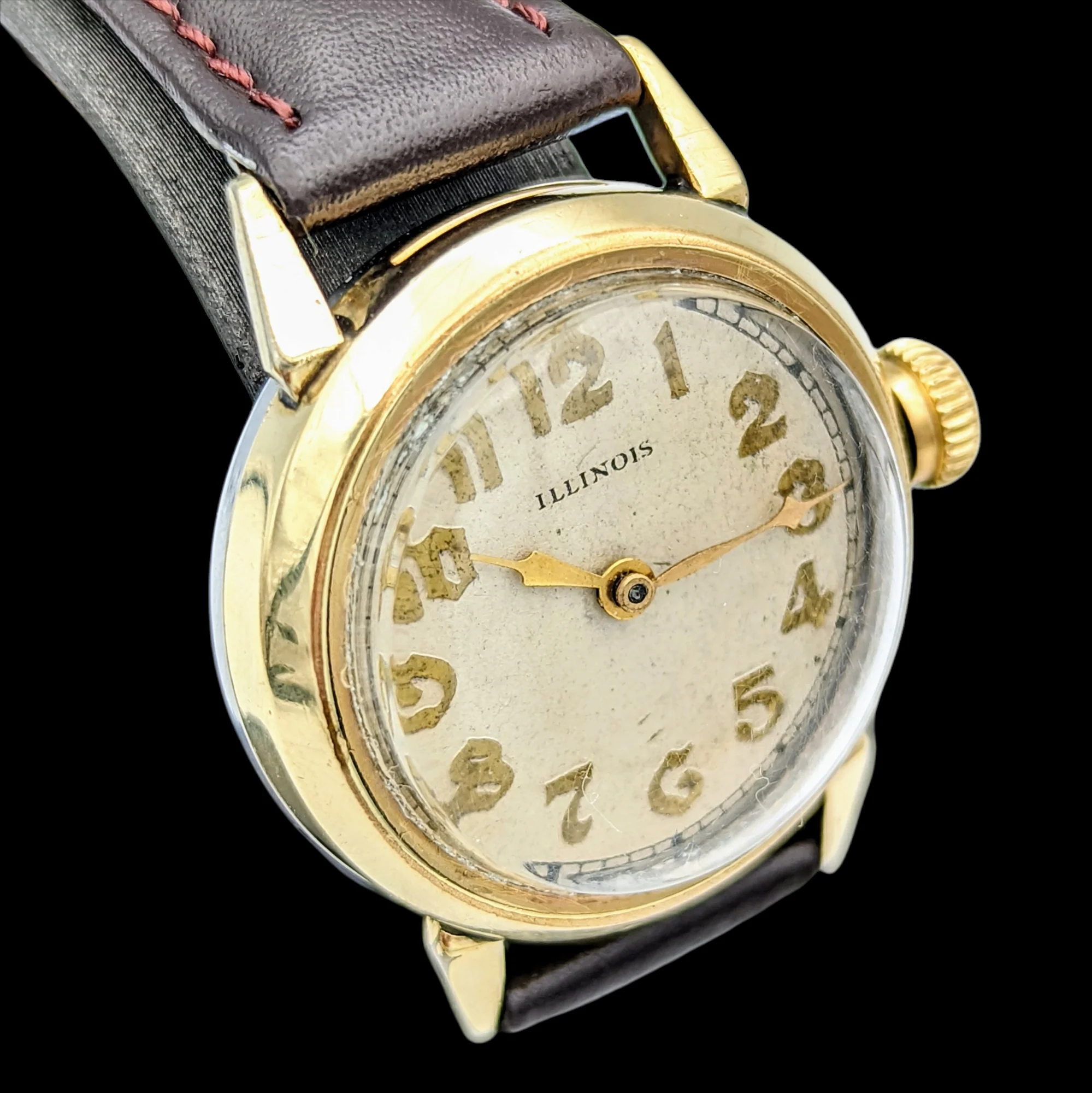
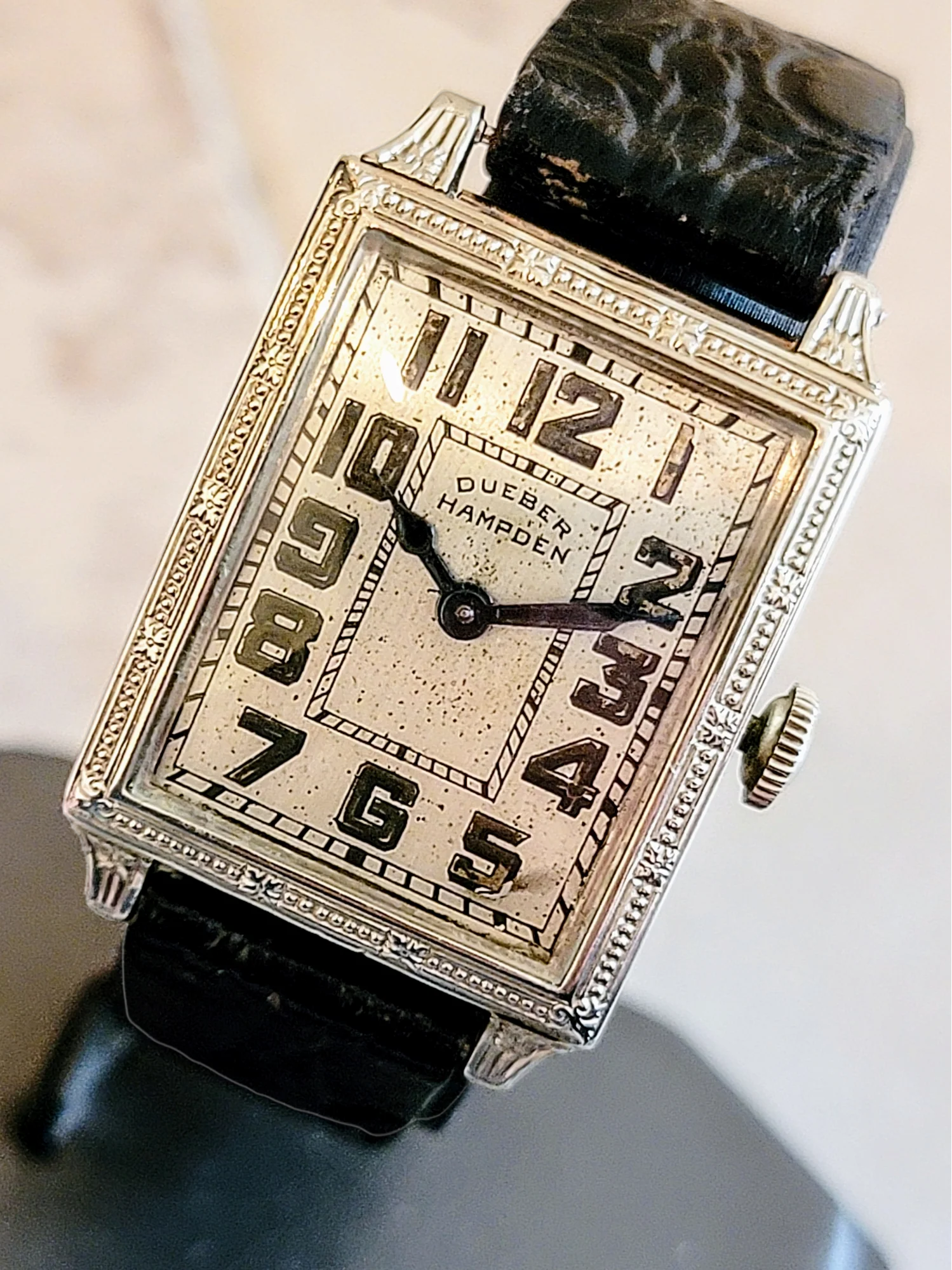
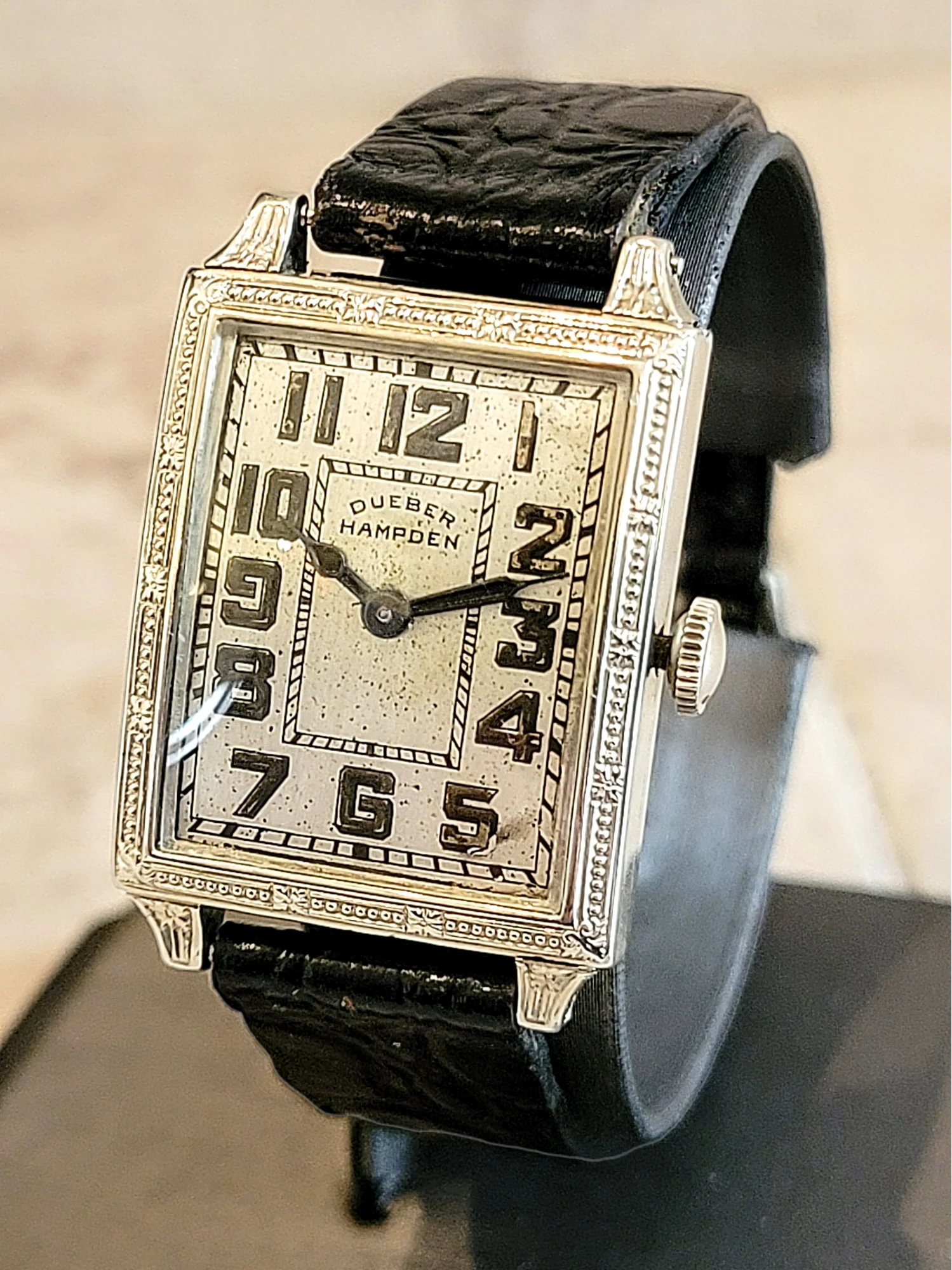
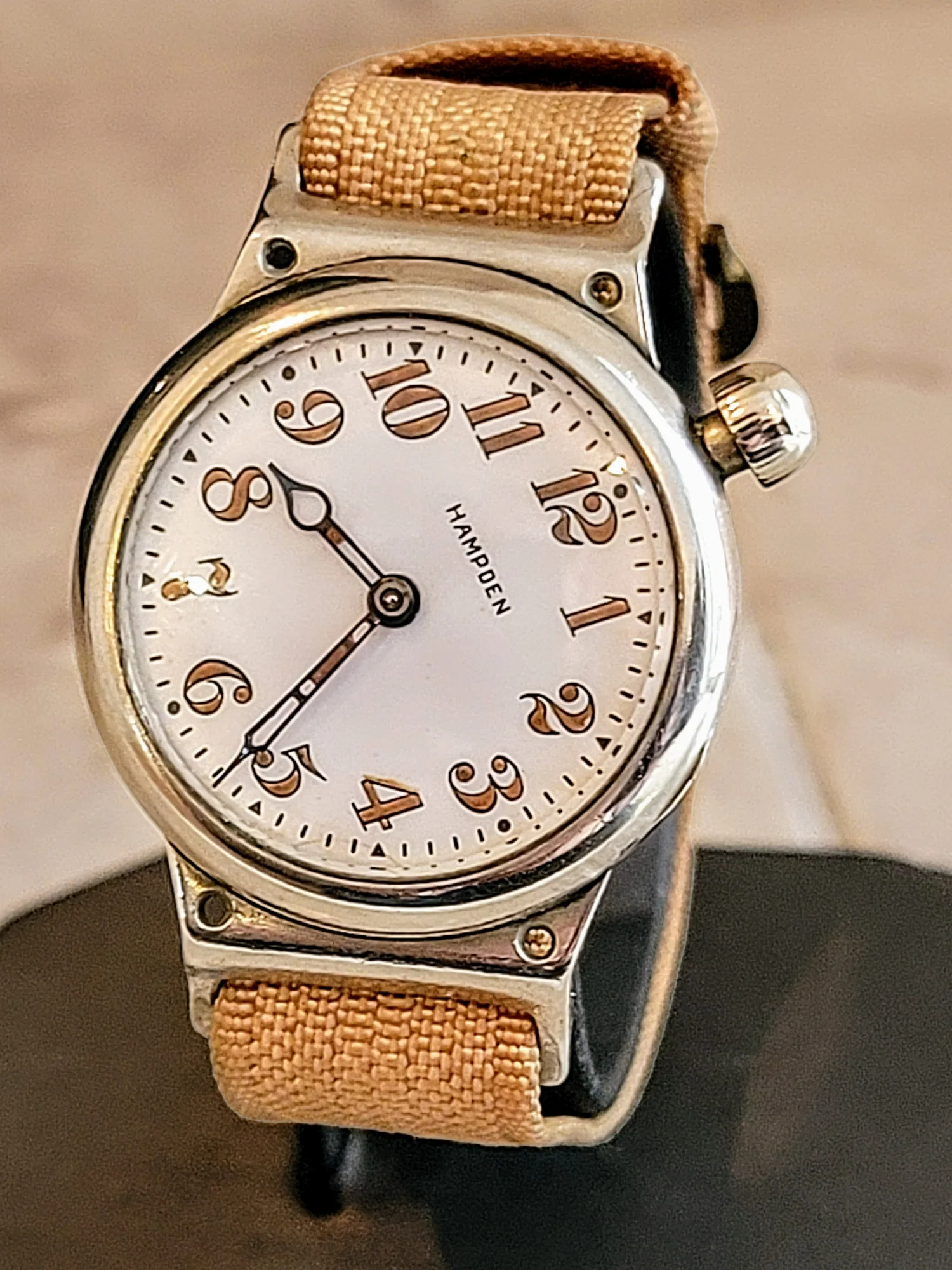
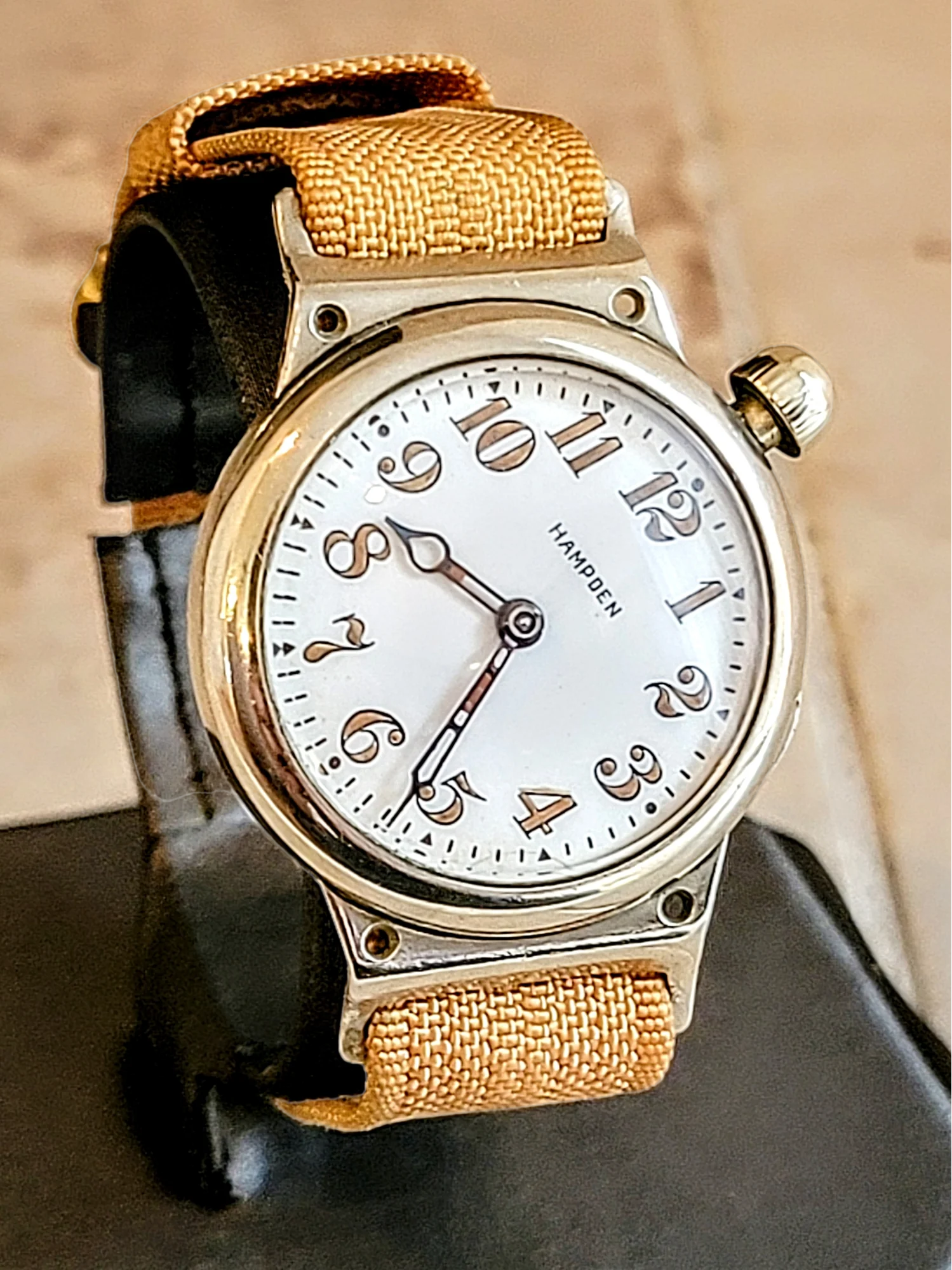
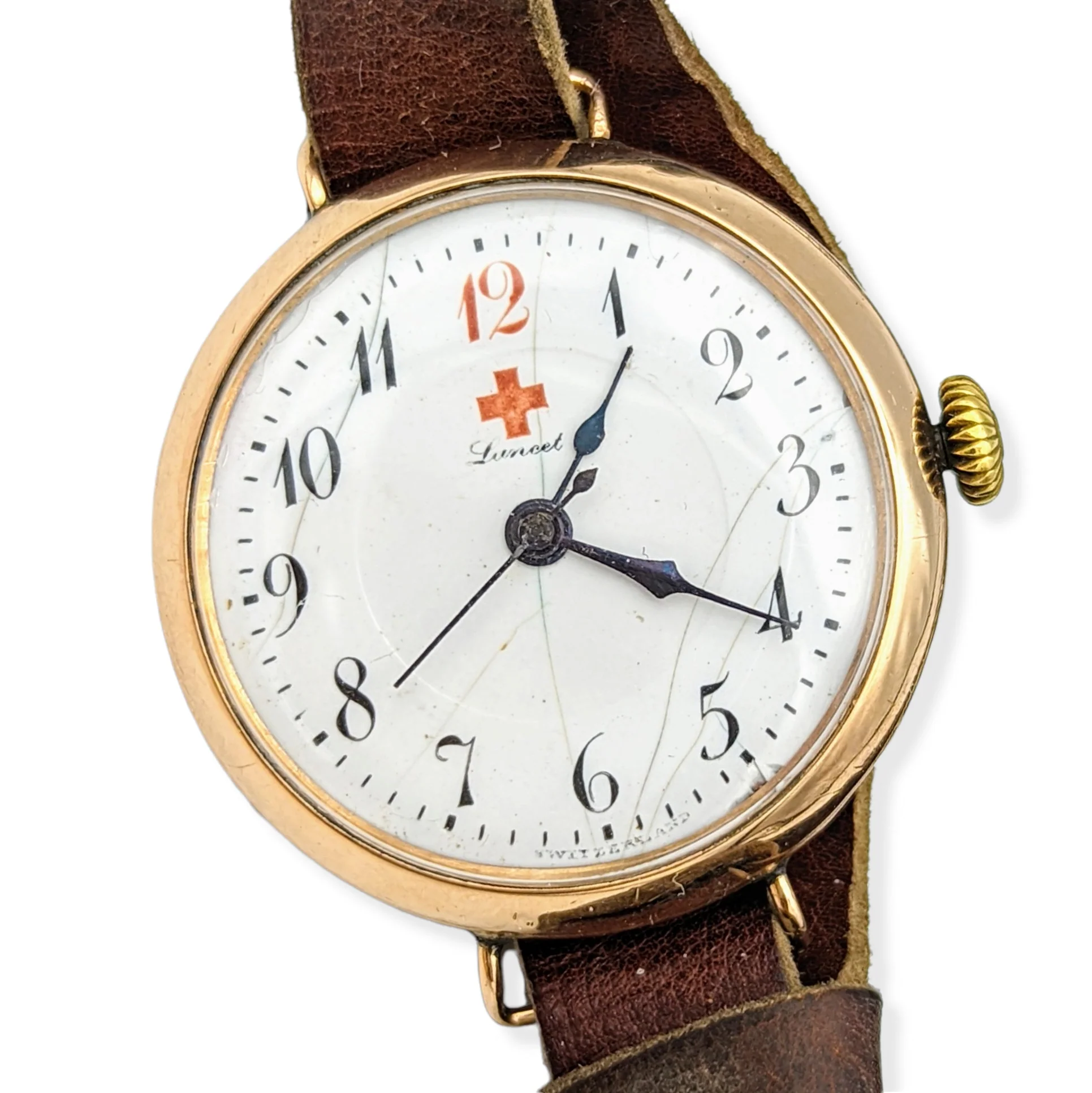
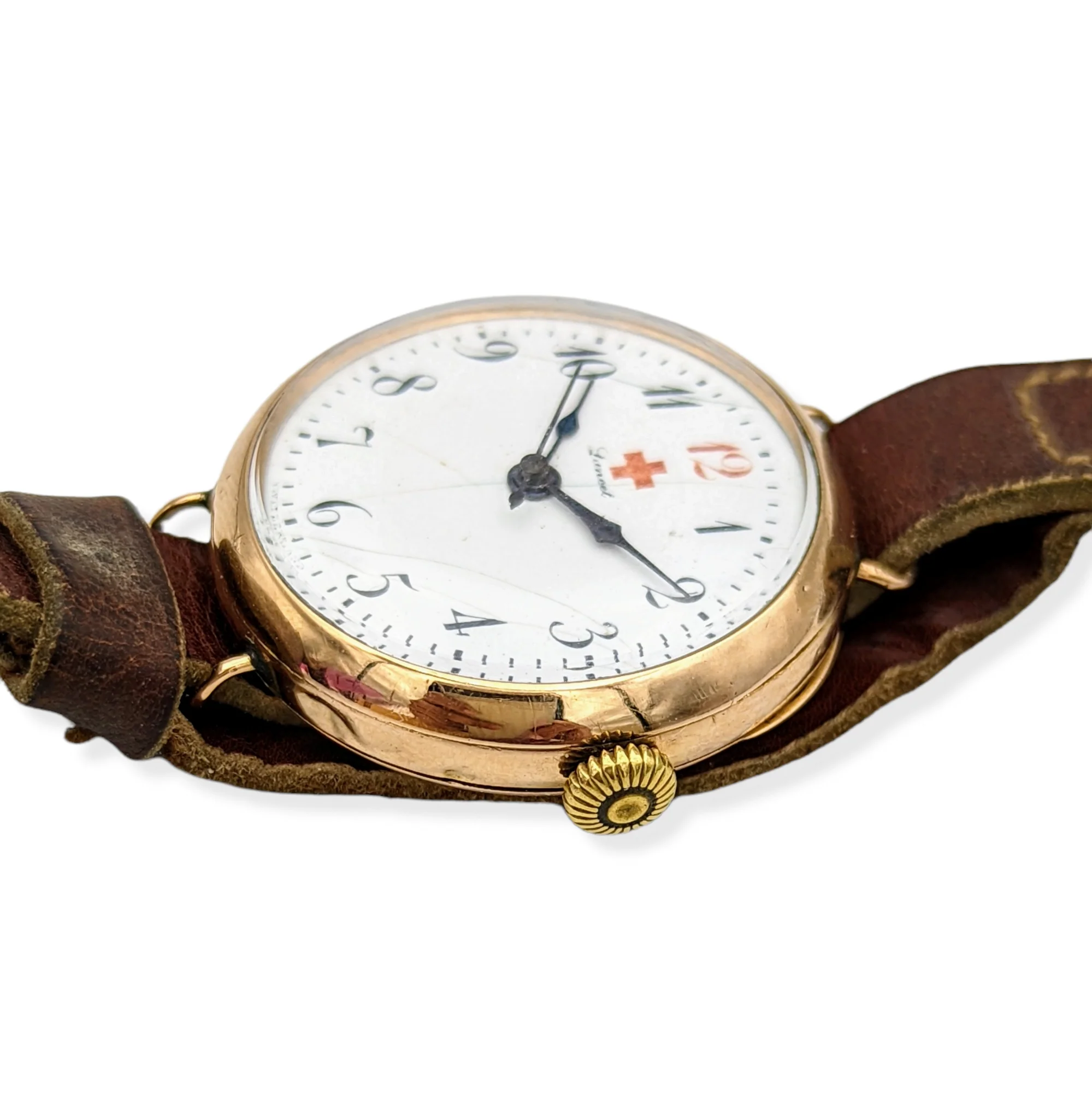
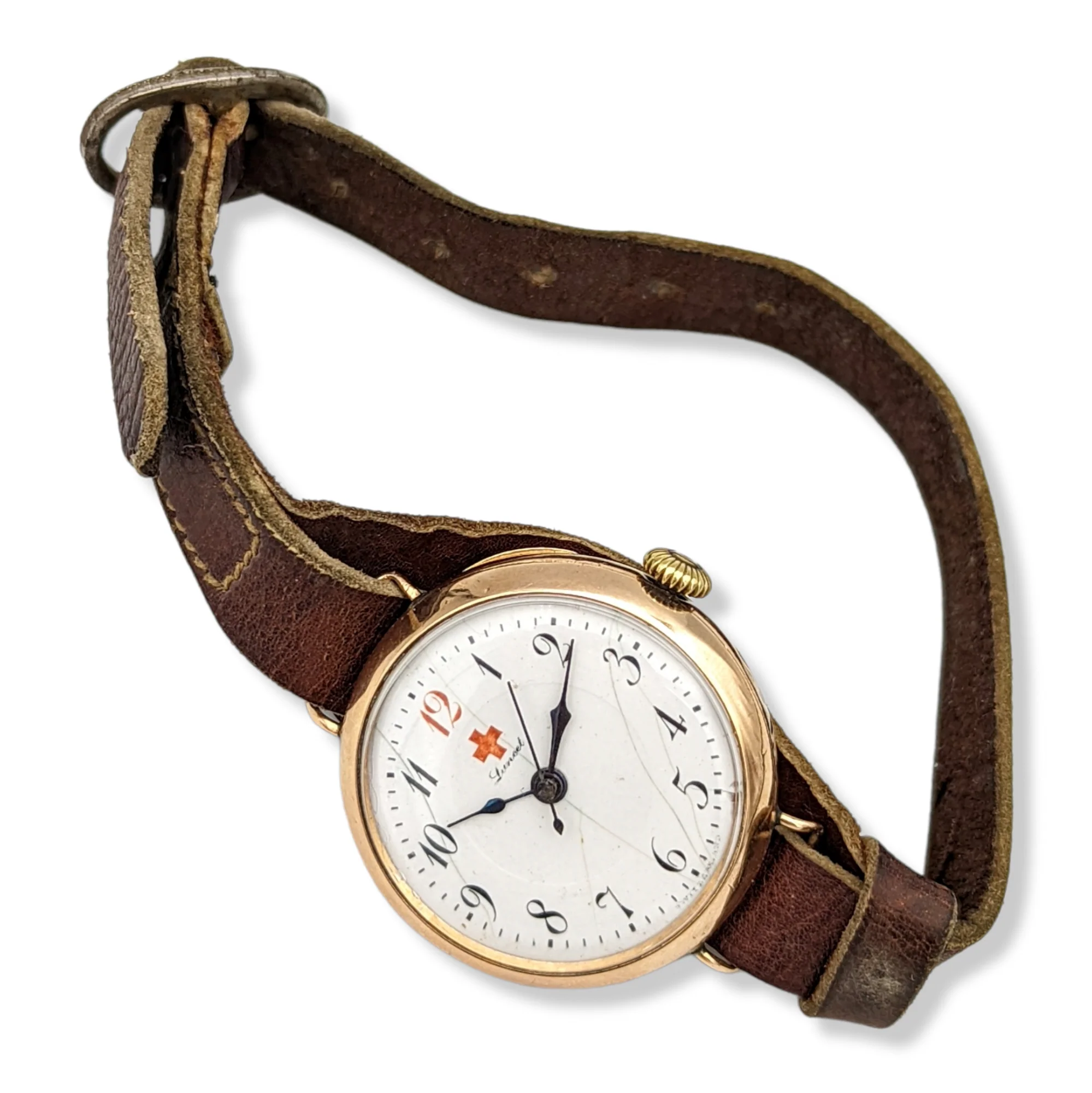
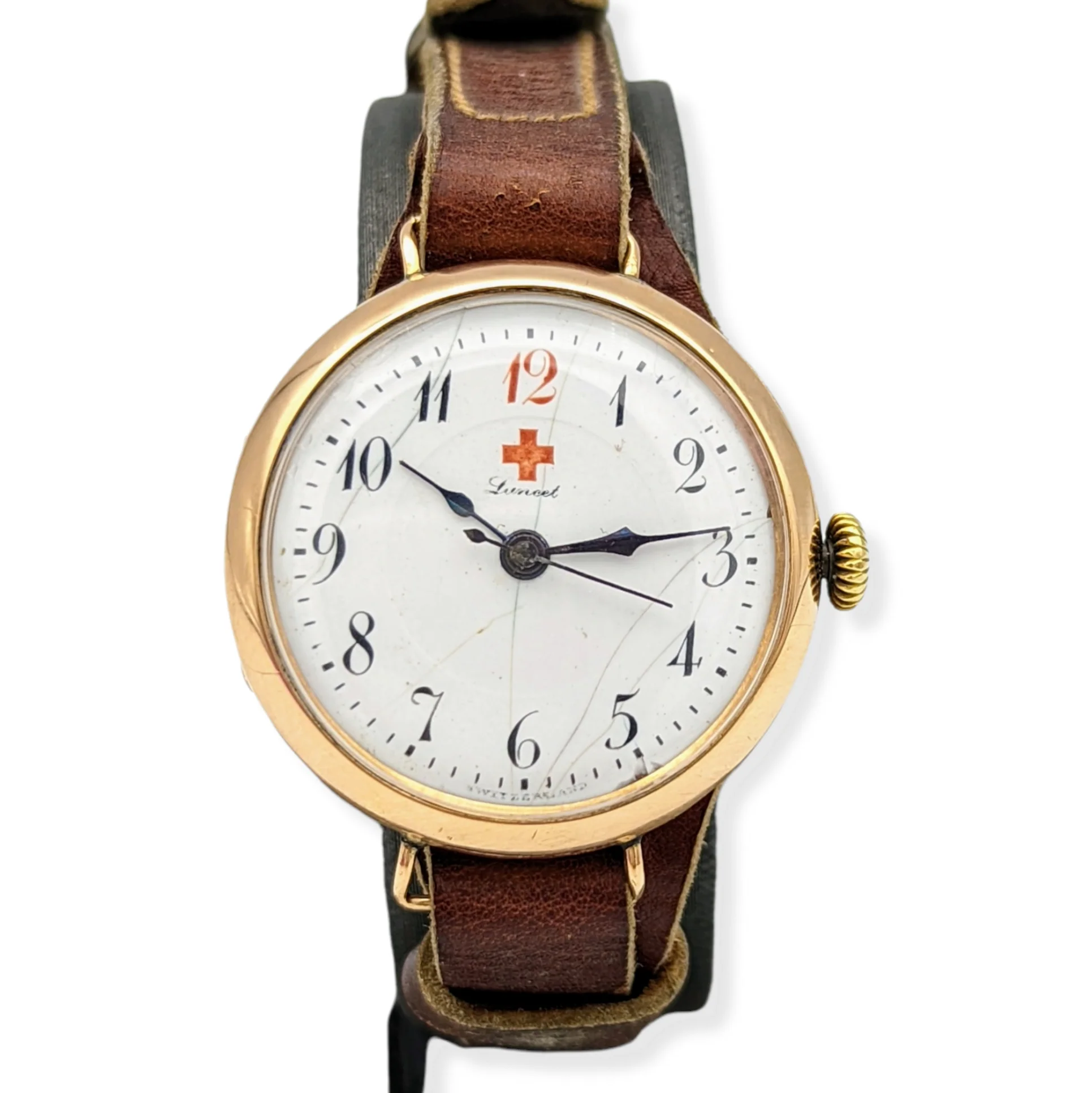
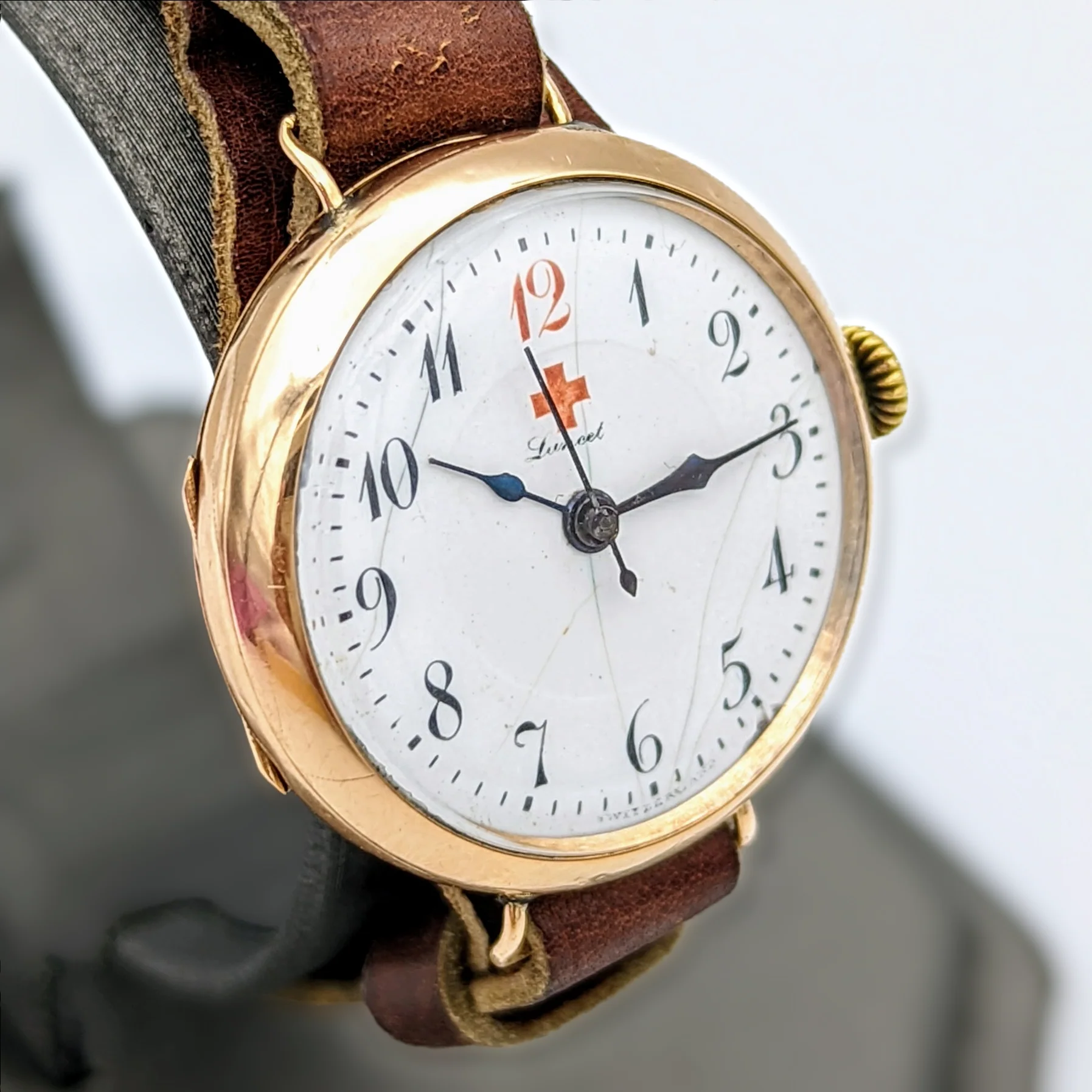
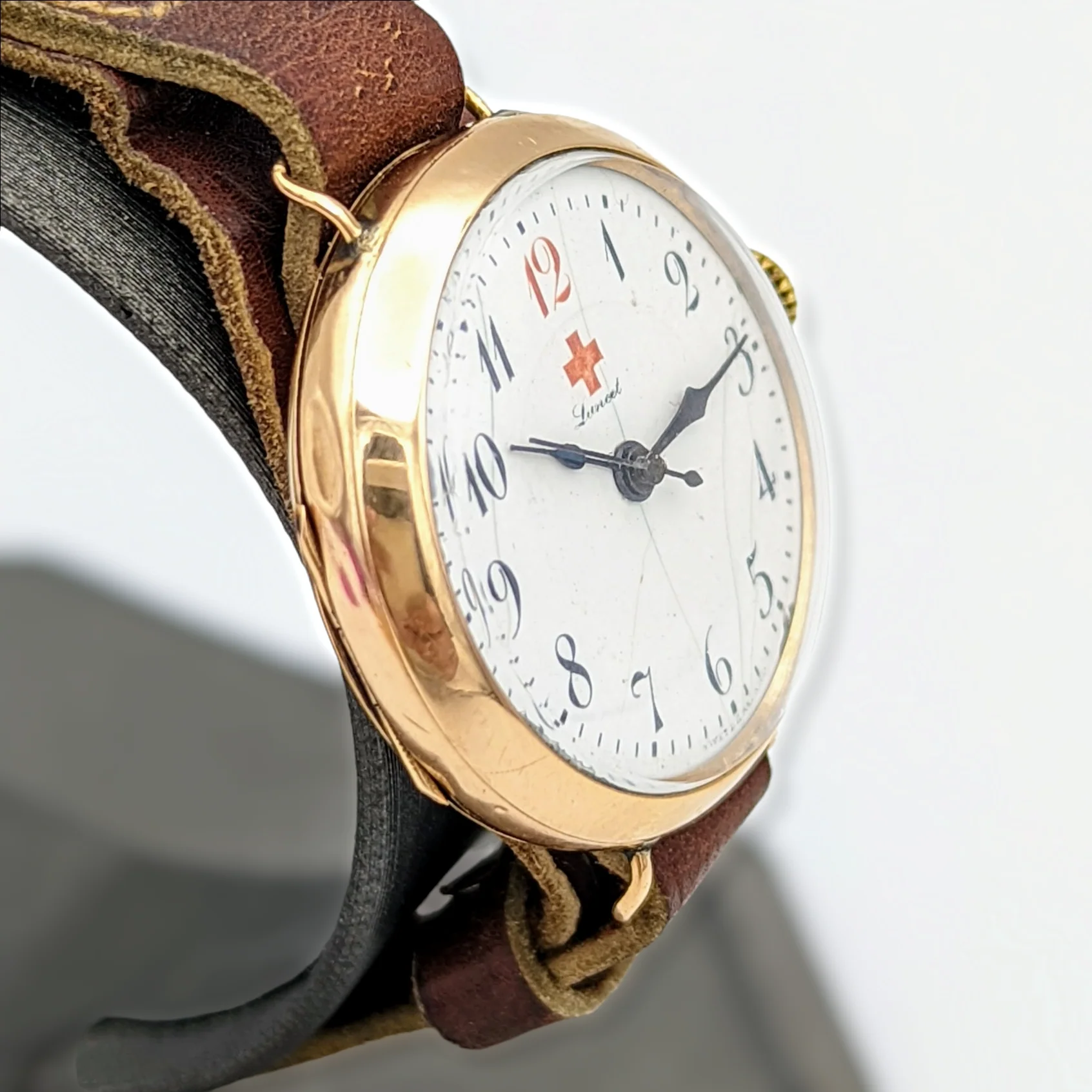
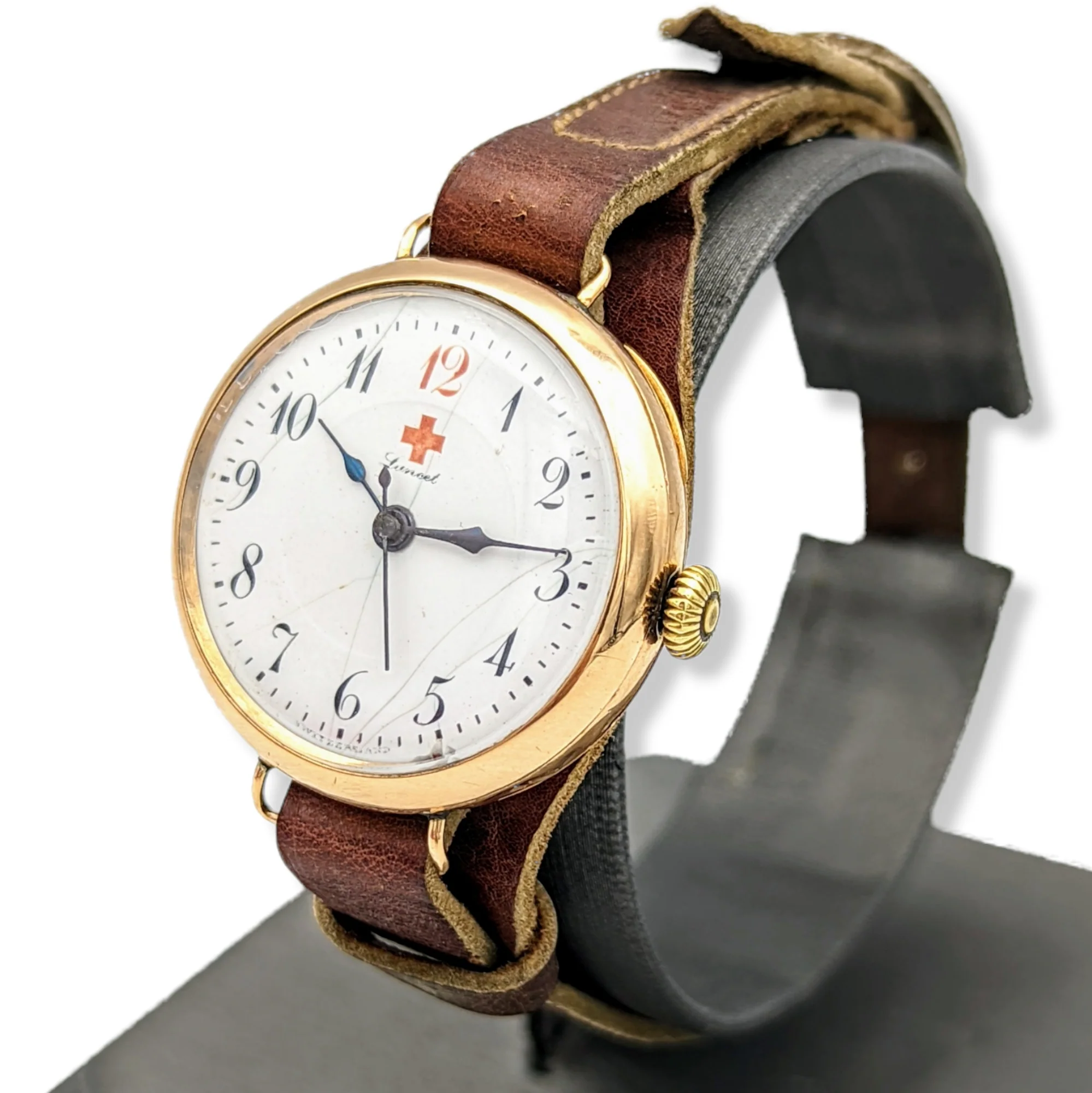
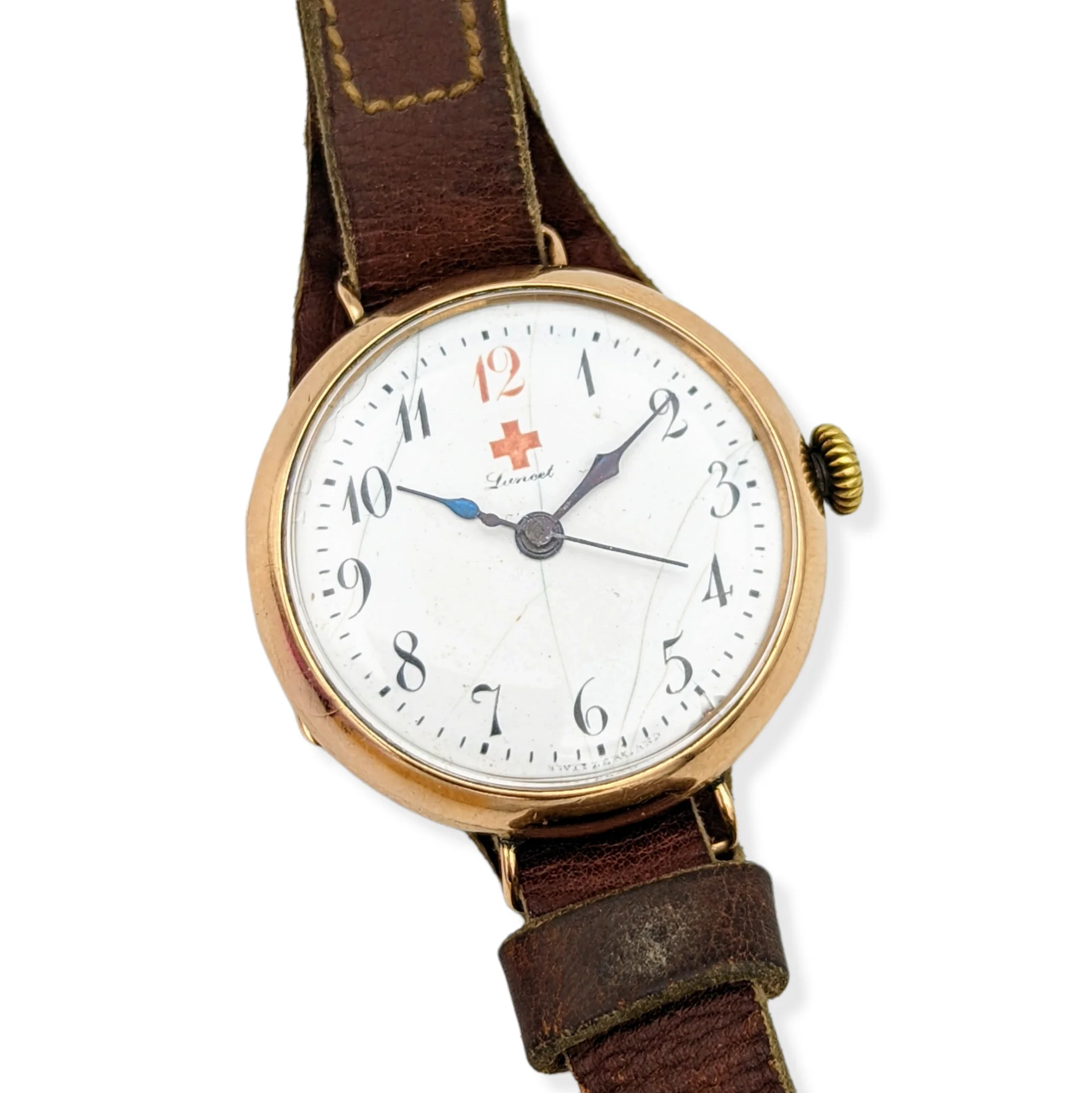
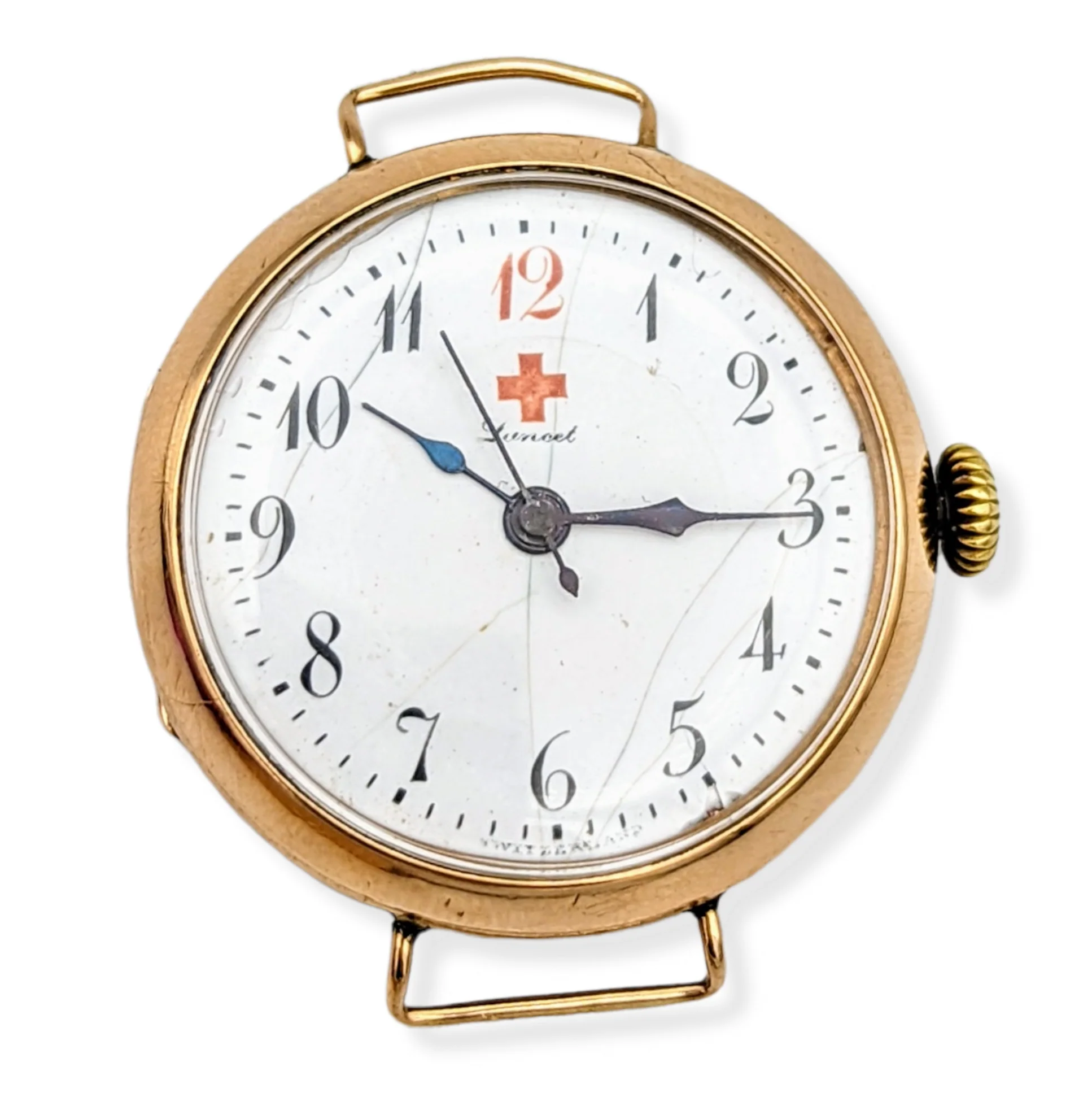
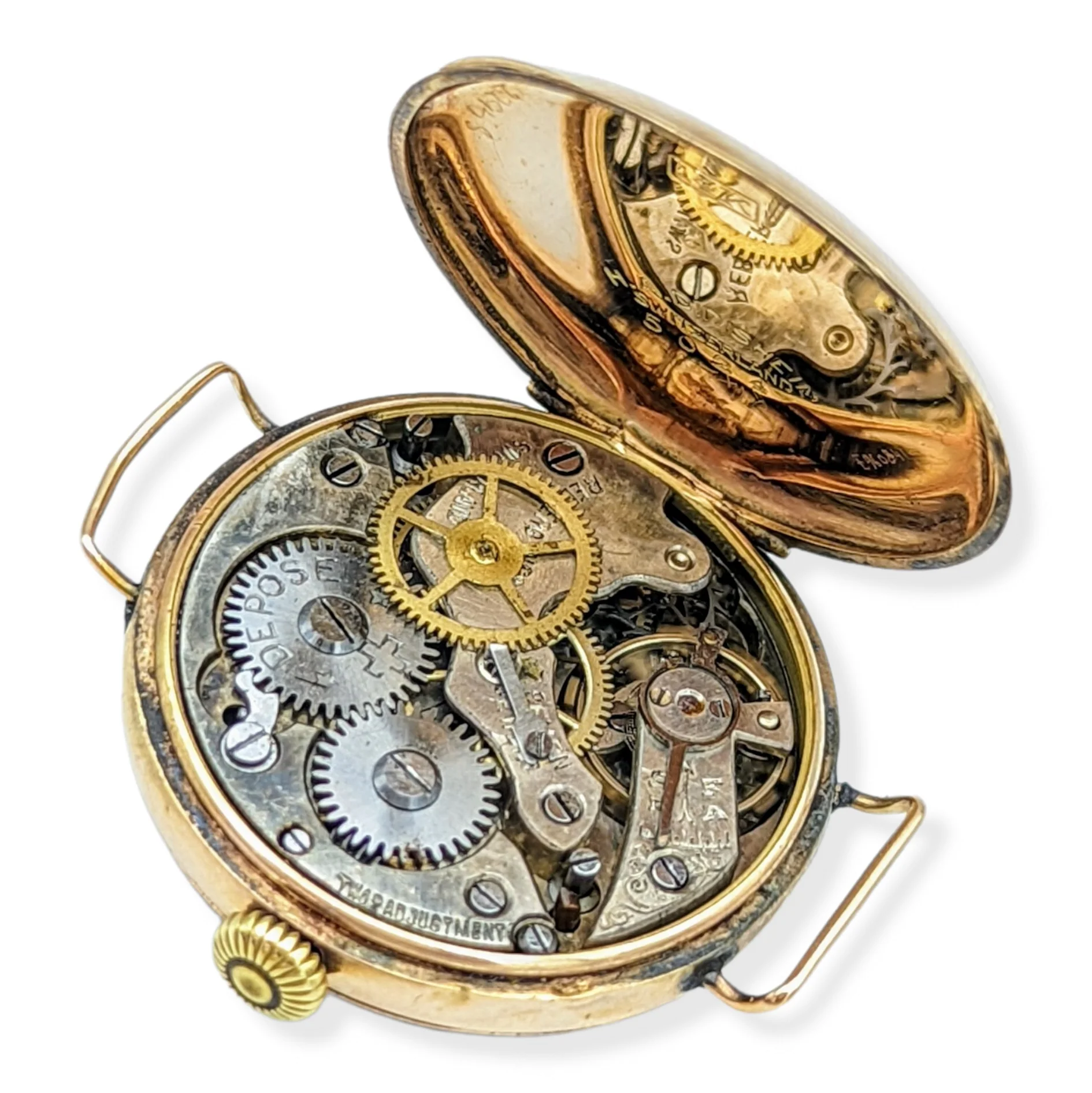
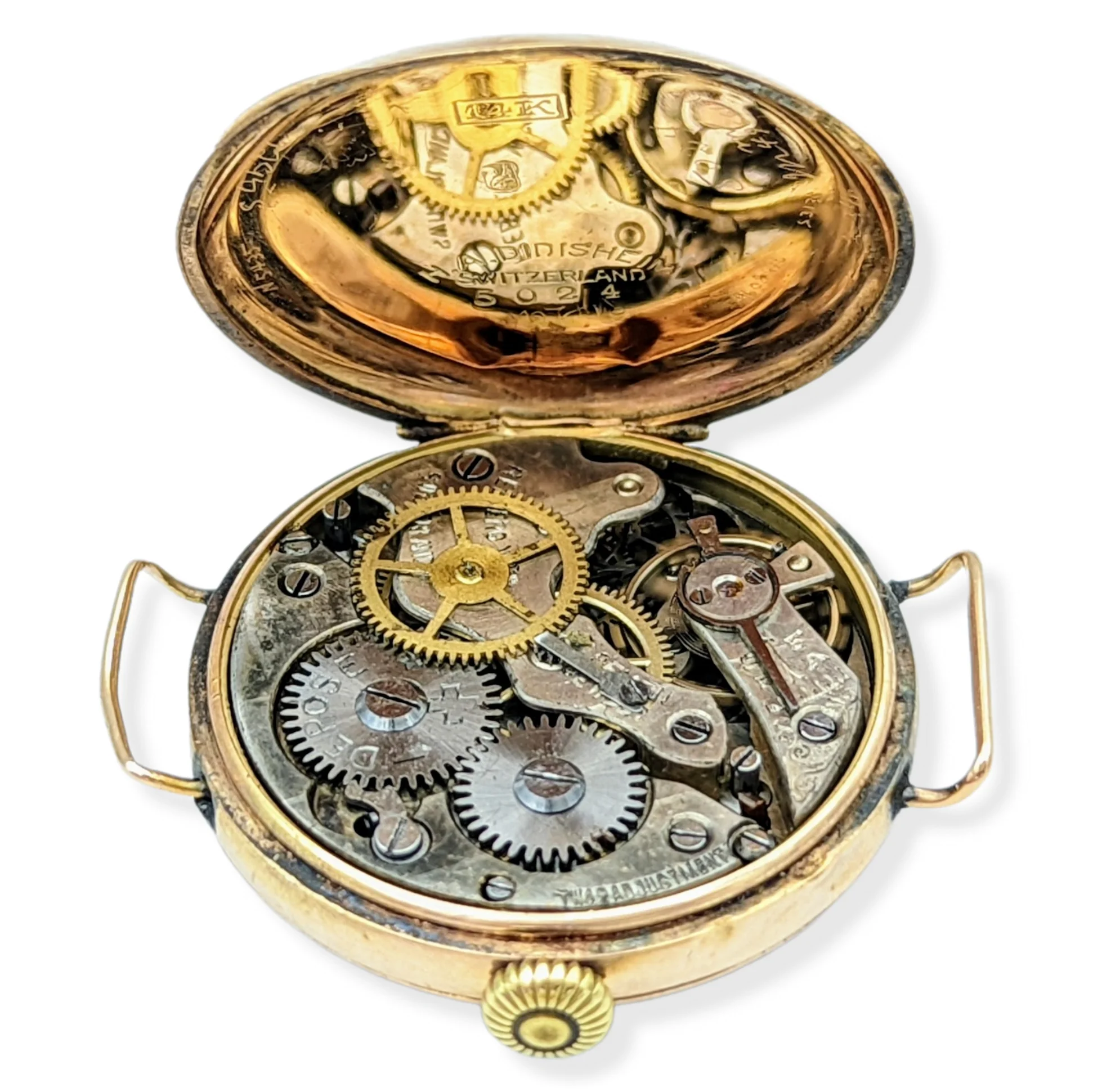
This is an INMACULATE timepiece, preserved in time from the WWI, it is a Lancet wristwatch for medical use, a doctors or nurses watch. Dated from the early 1900's, it is a manual wind watch with a Rebberg(*) movement, 7 jewels, two adjustments, sweep second(**), Swiss made and Swiss registered signed as well.
(*) Rebberg W. Co. was a registered as a trademark (brand) by Aegler, S.A., also knowing as the watch manufacturer for early Rolex watches. // Aegler supplied Rebberg high quality watch movements to Wilsdorf & Davis, and also to a lot of other companies.
(**) Sweep seconds hand were very useful to take a pulse by a medical person.
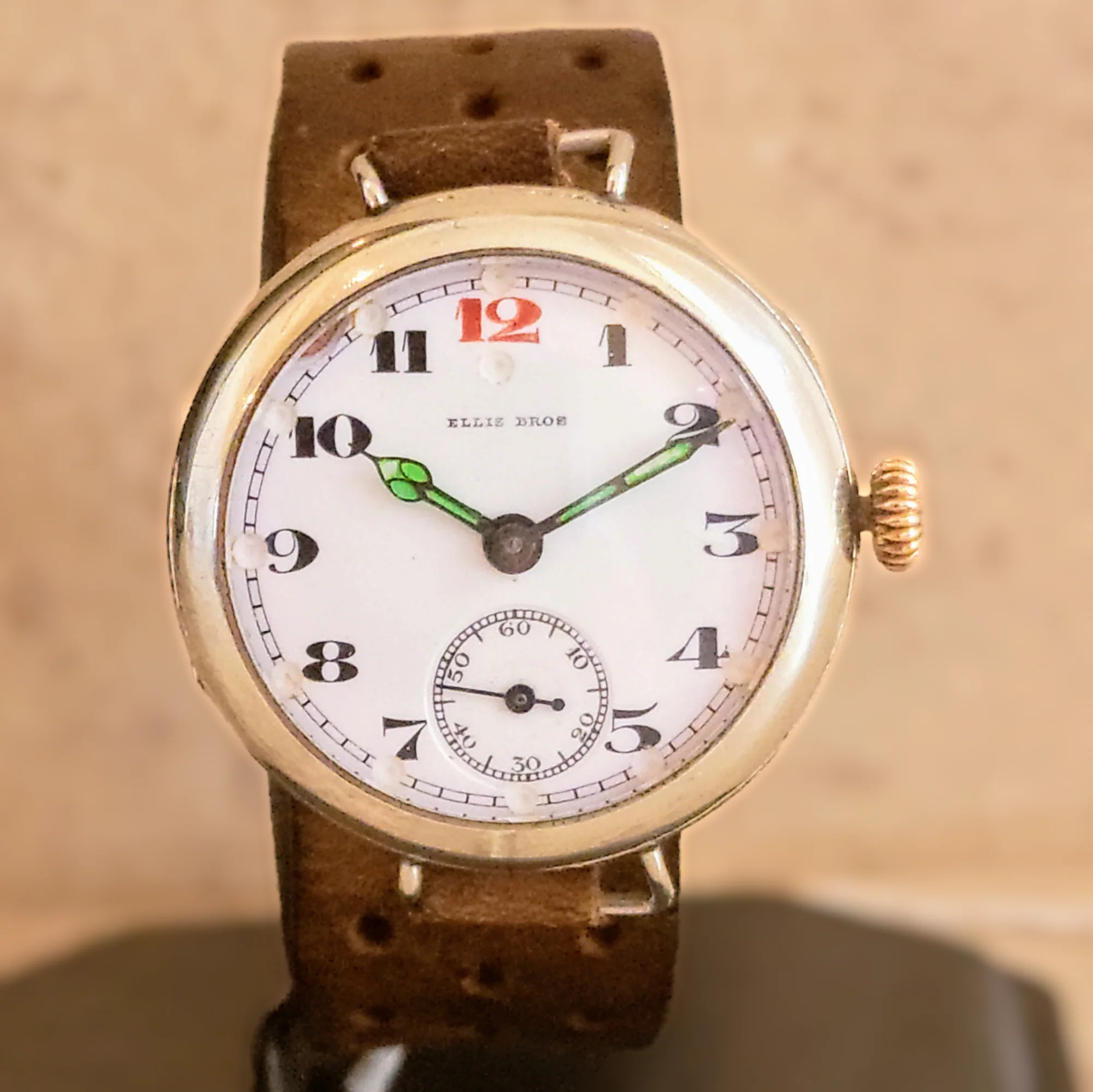
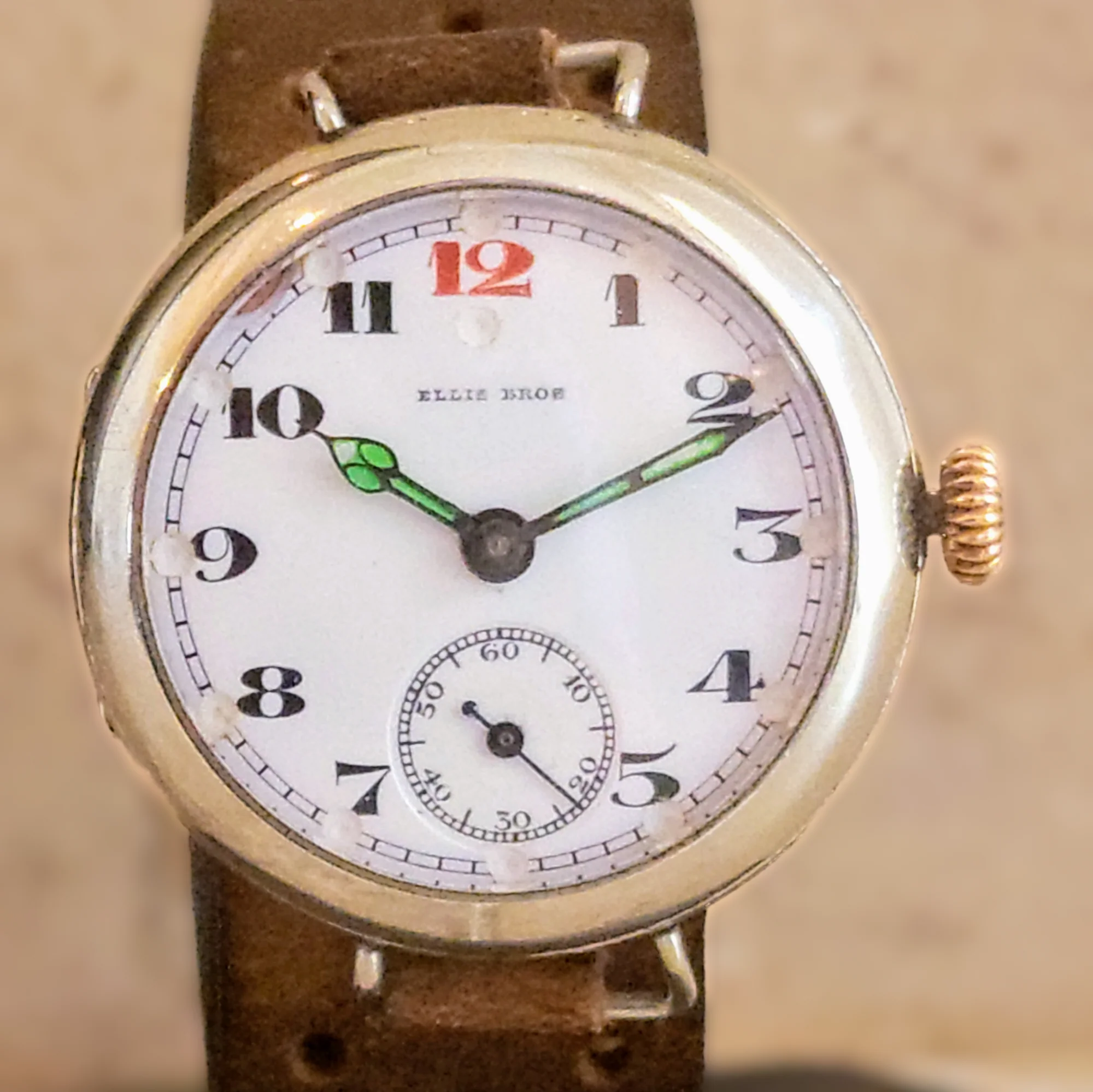
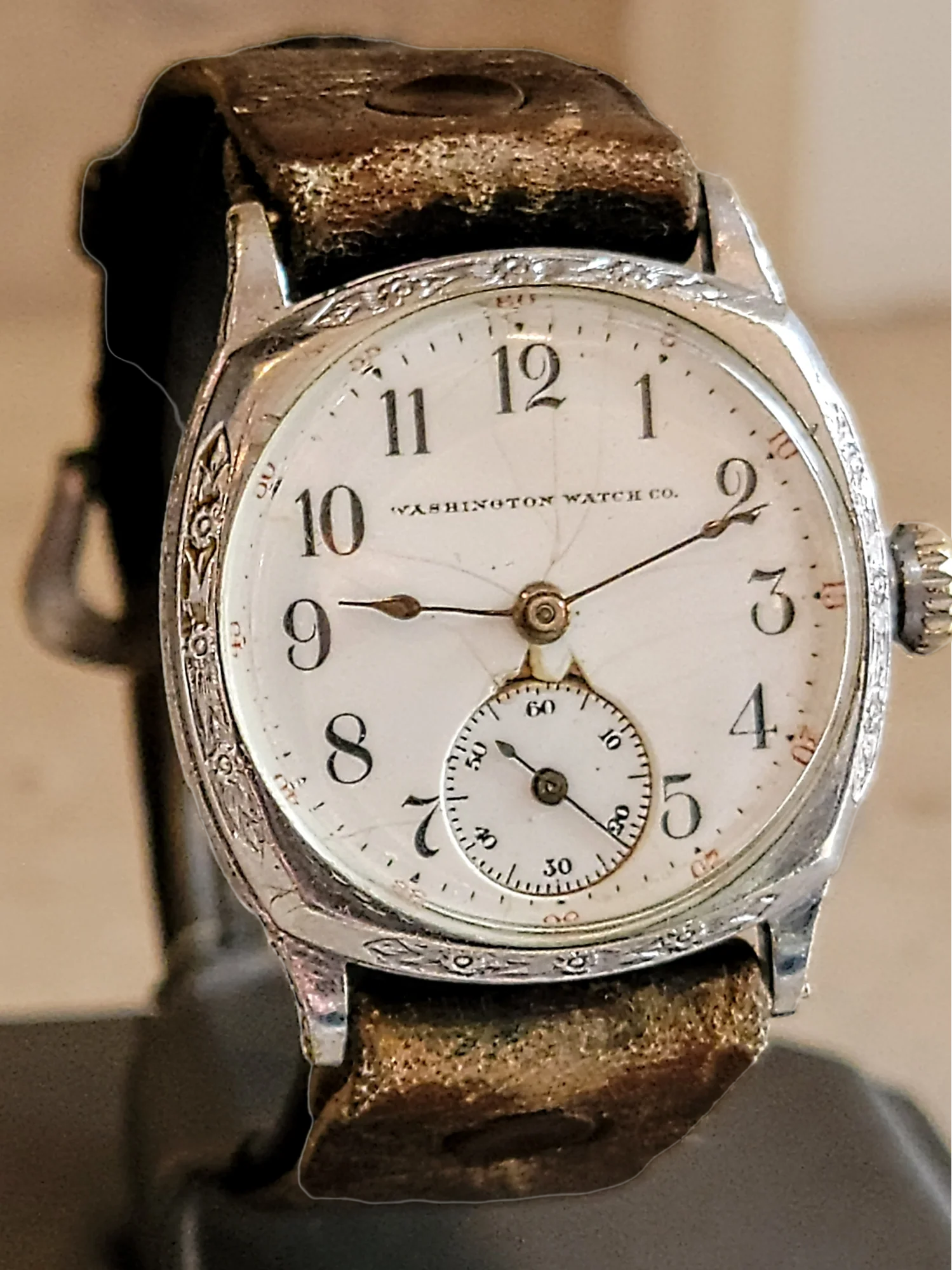
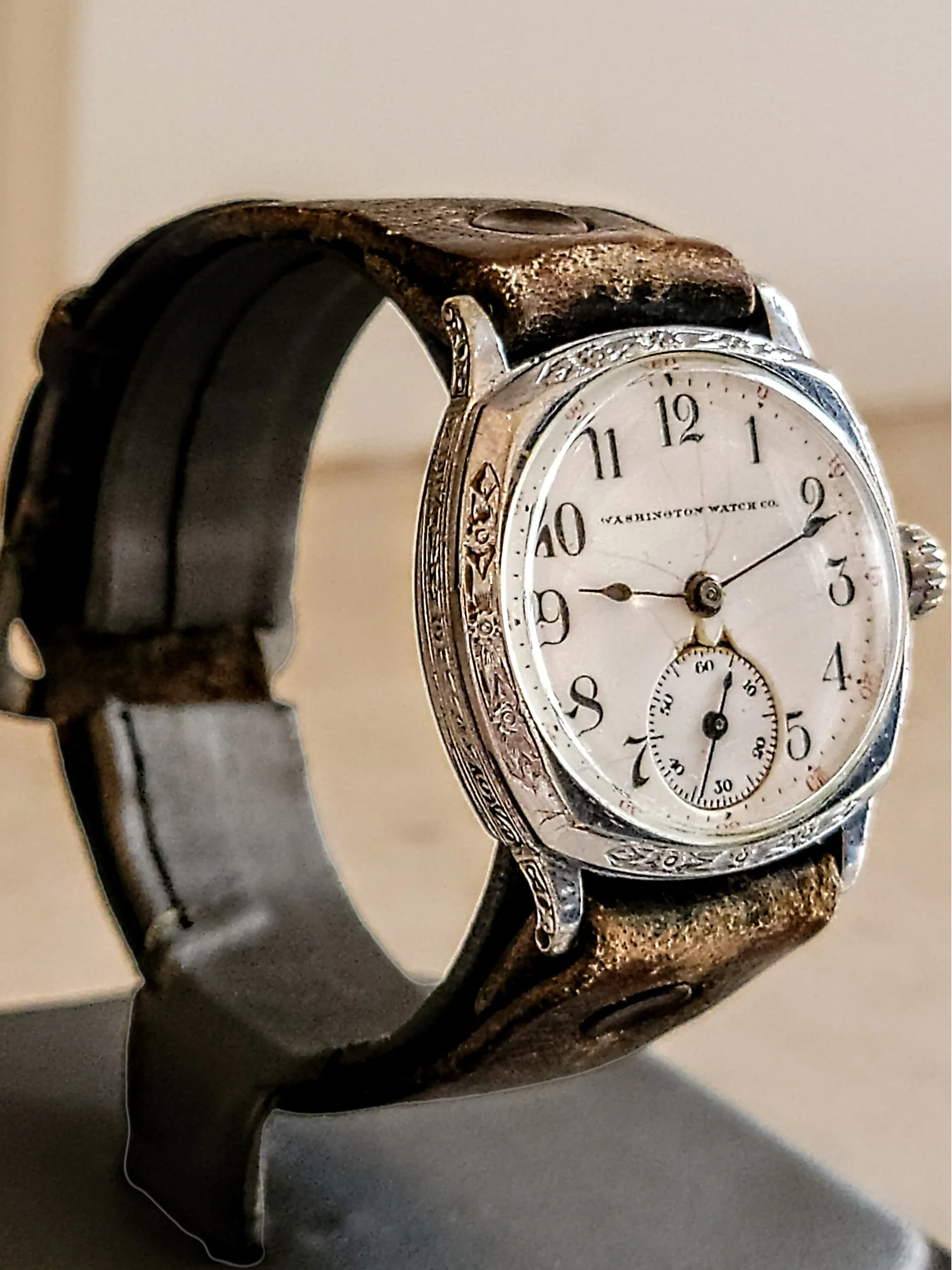
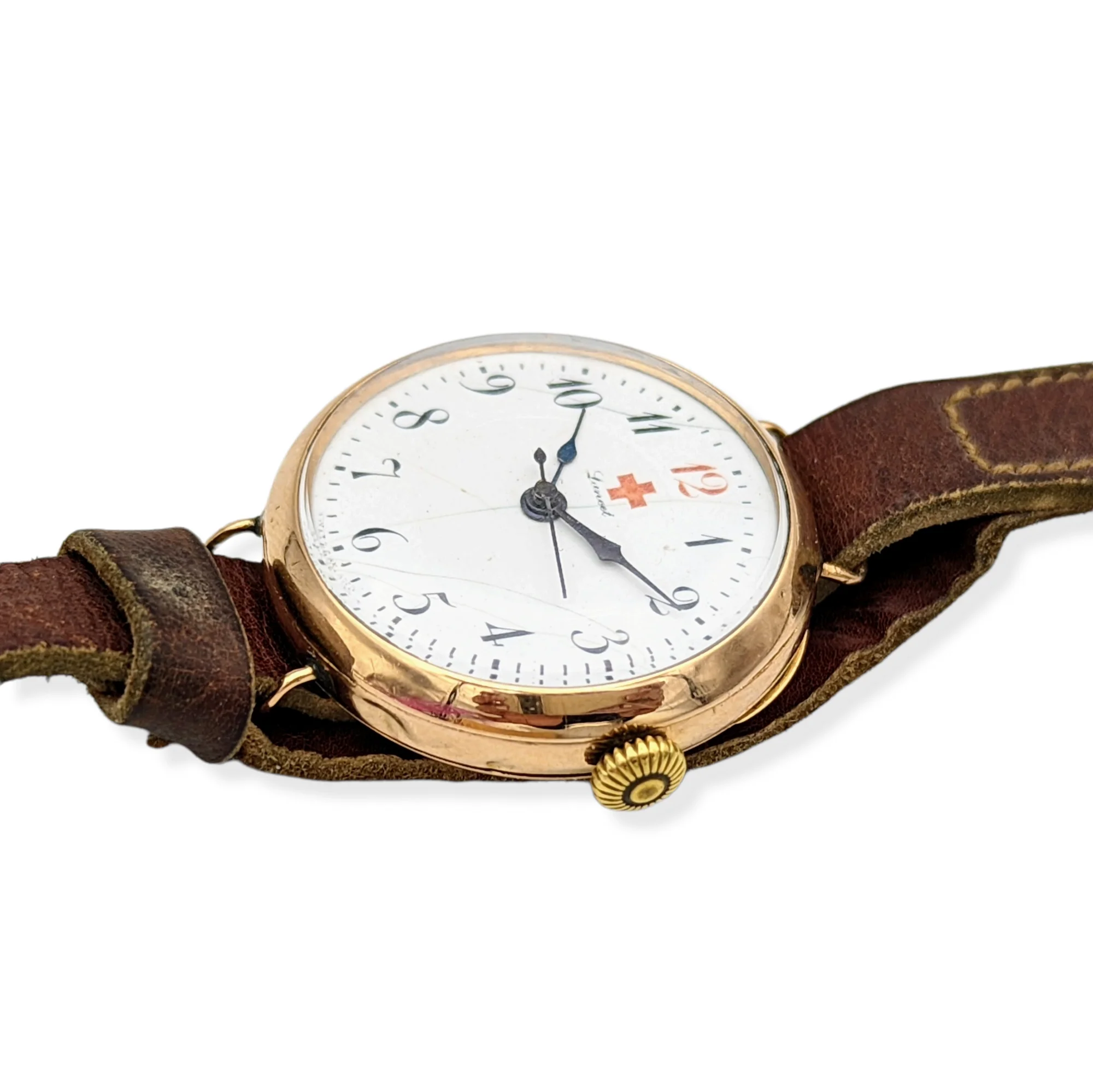
This is an unique piece that after +100 years, still looks preserved in time! It has the original and GORGEOUS white dial with the Red Cross symbol on the dial -the familiar symbol of the Red Cross organization and widely used to imply medical use-, bold Arabic Numerals (the number 12 printed in red) and matching hands. The dial is singed with the Lancet name as well.
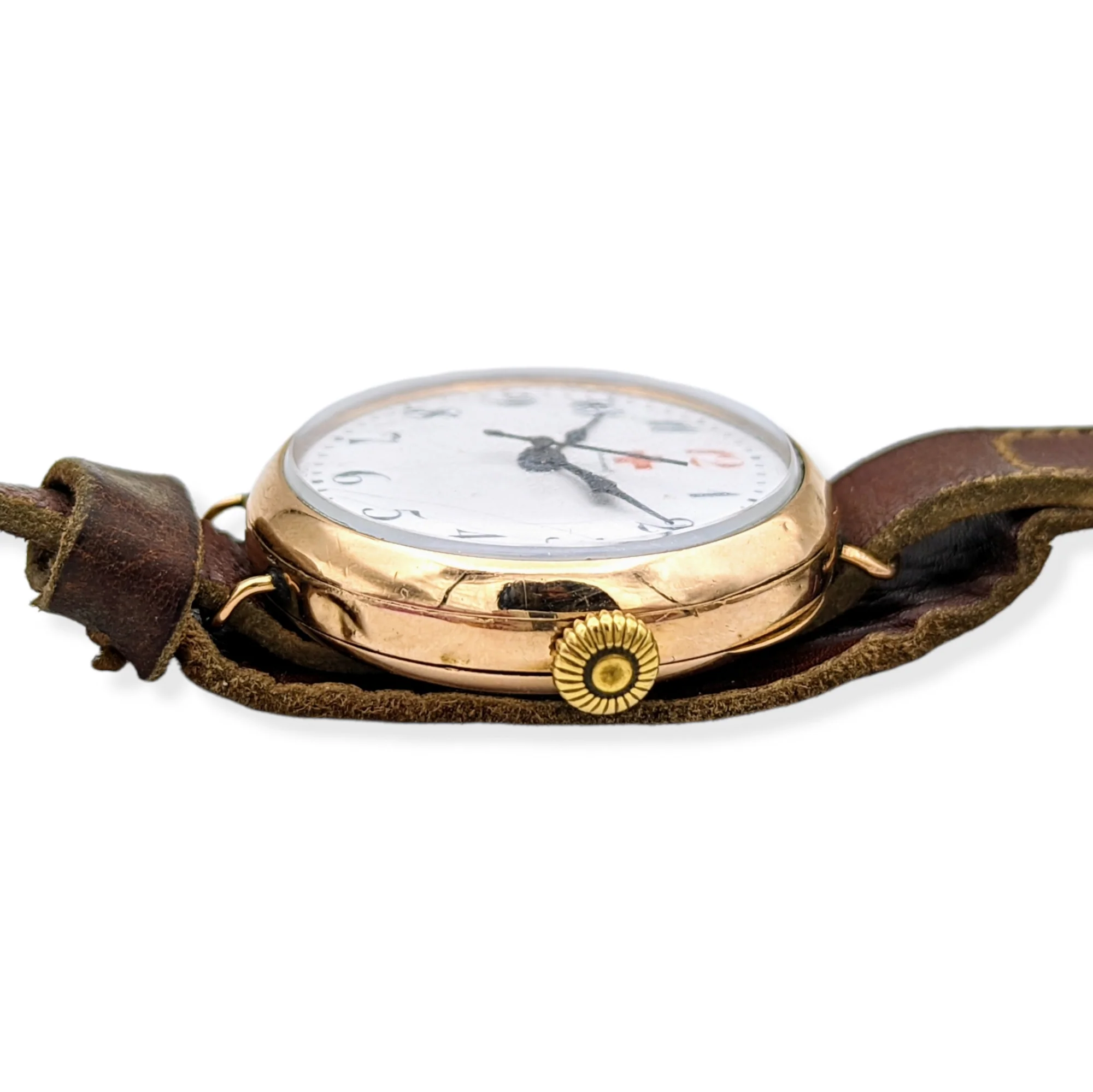
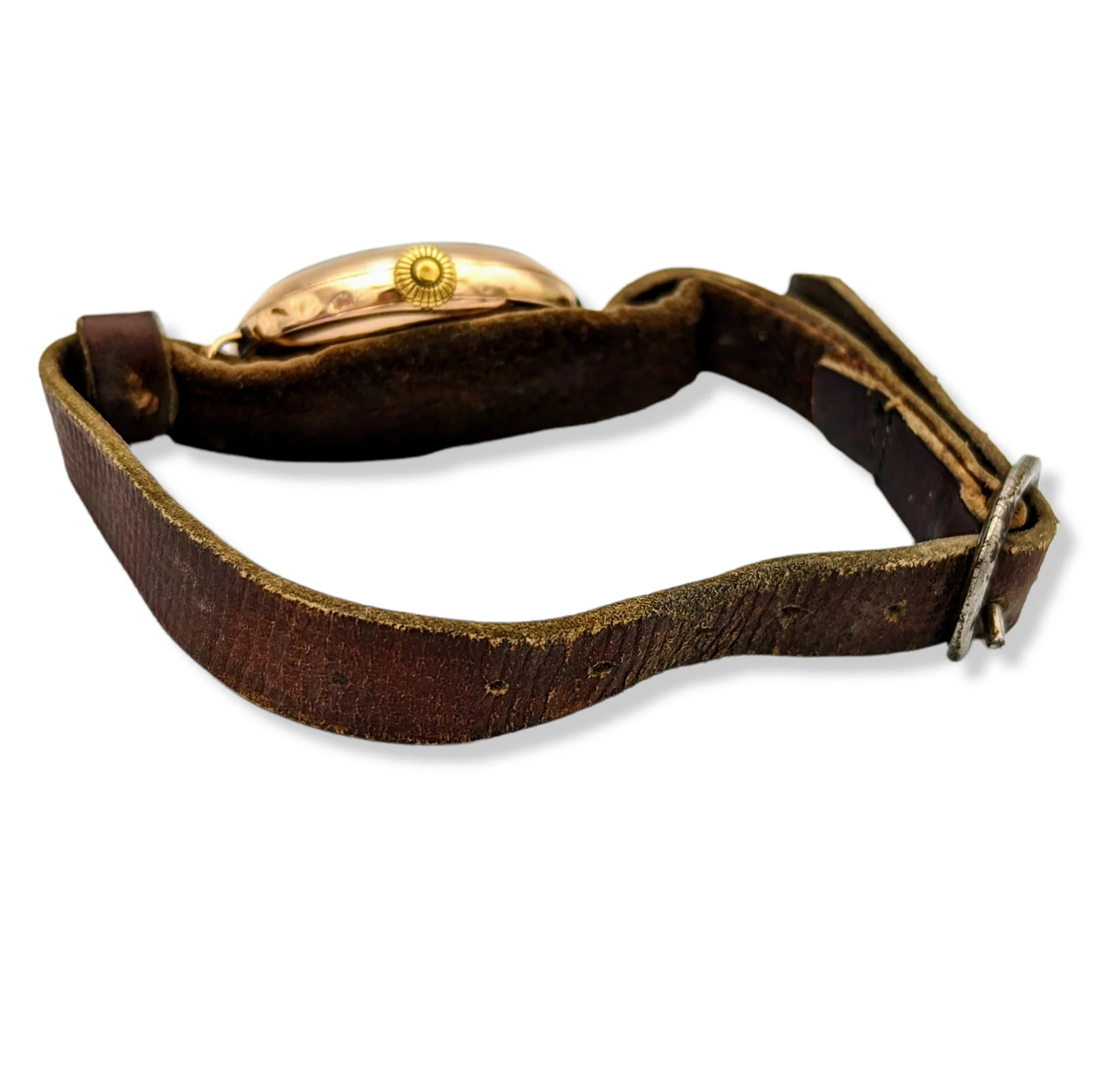
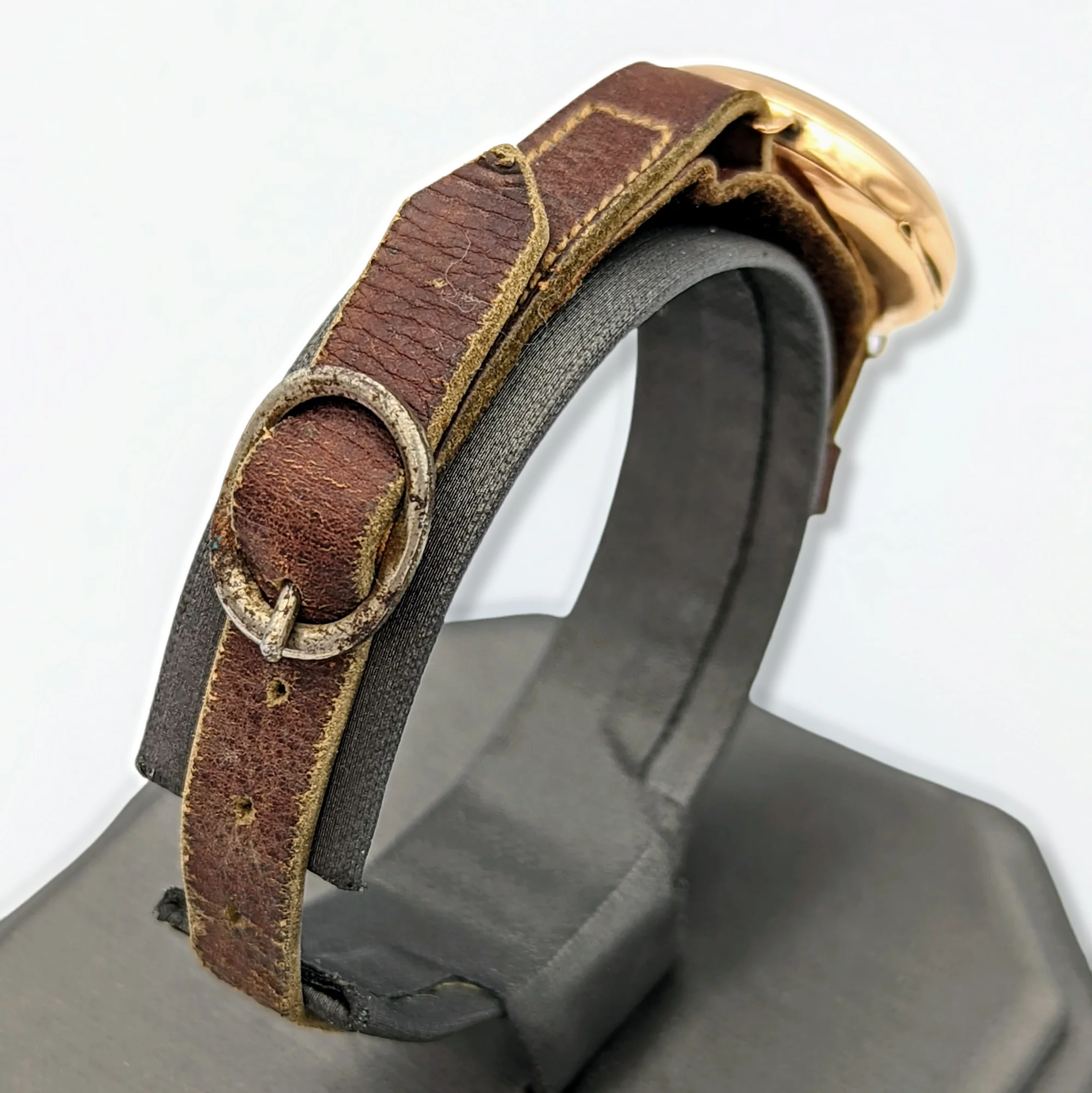
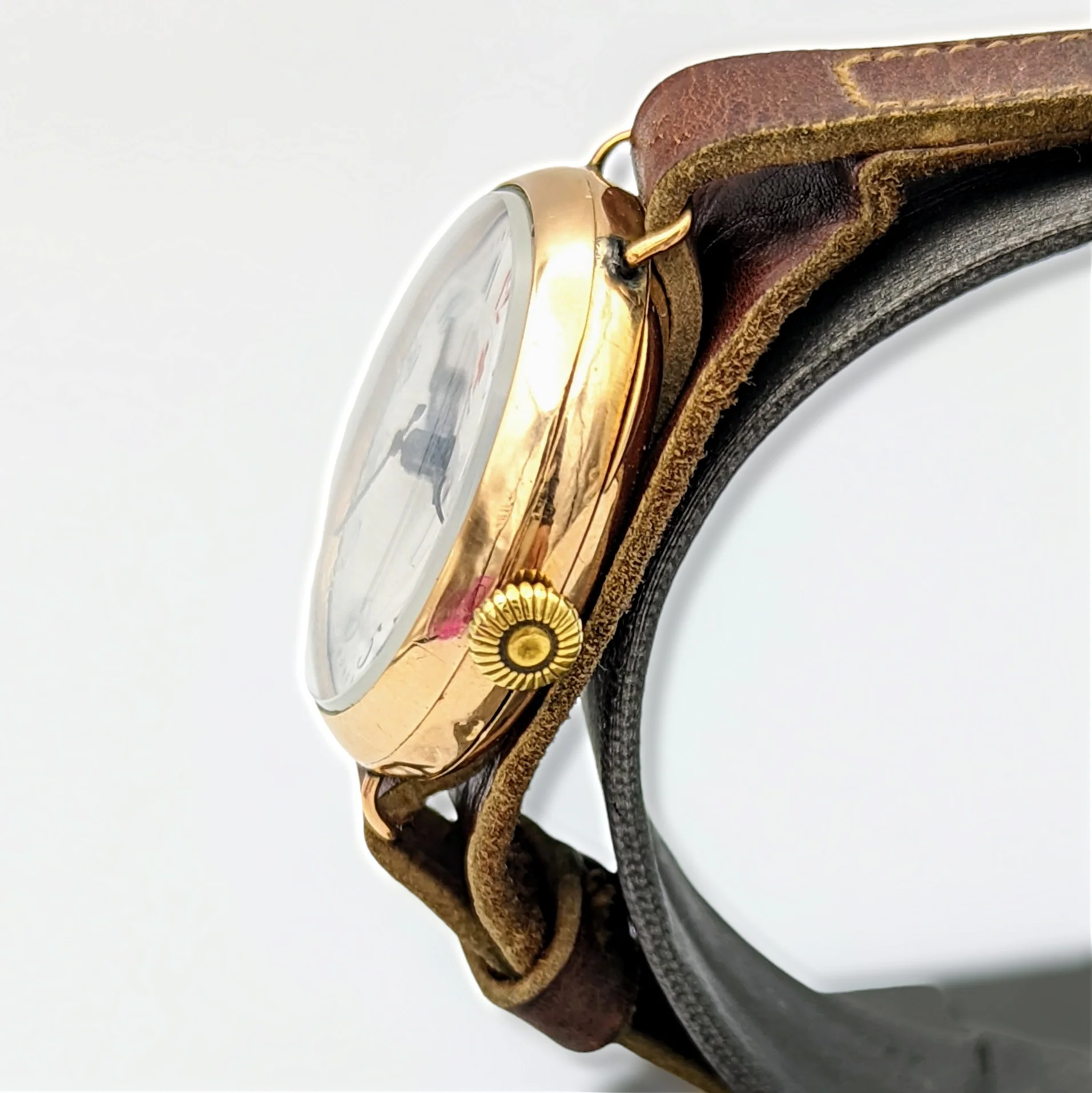
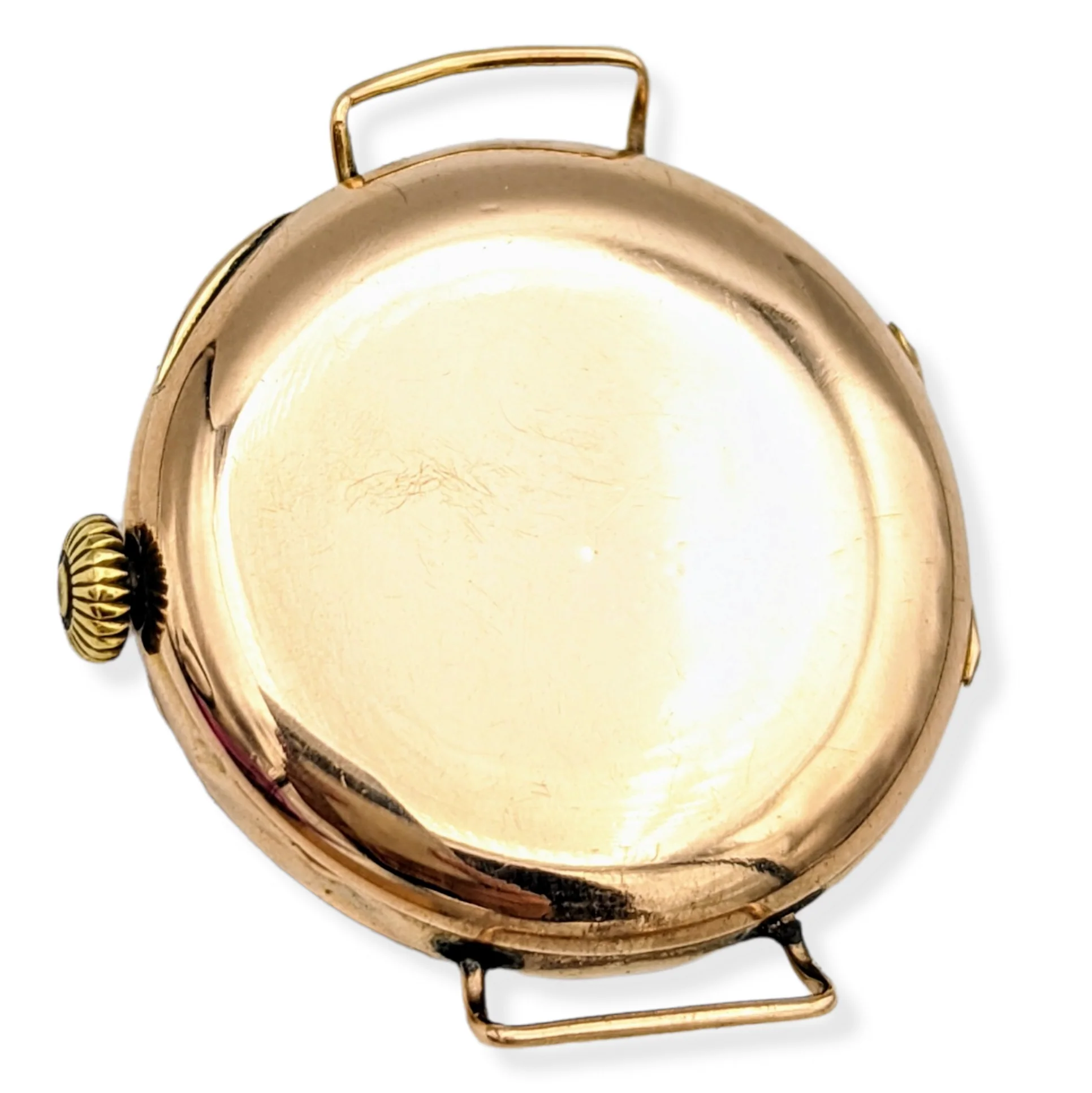
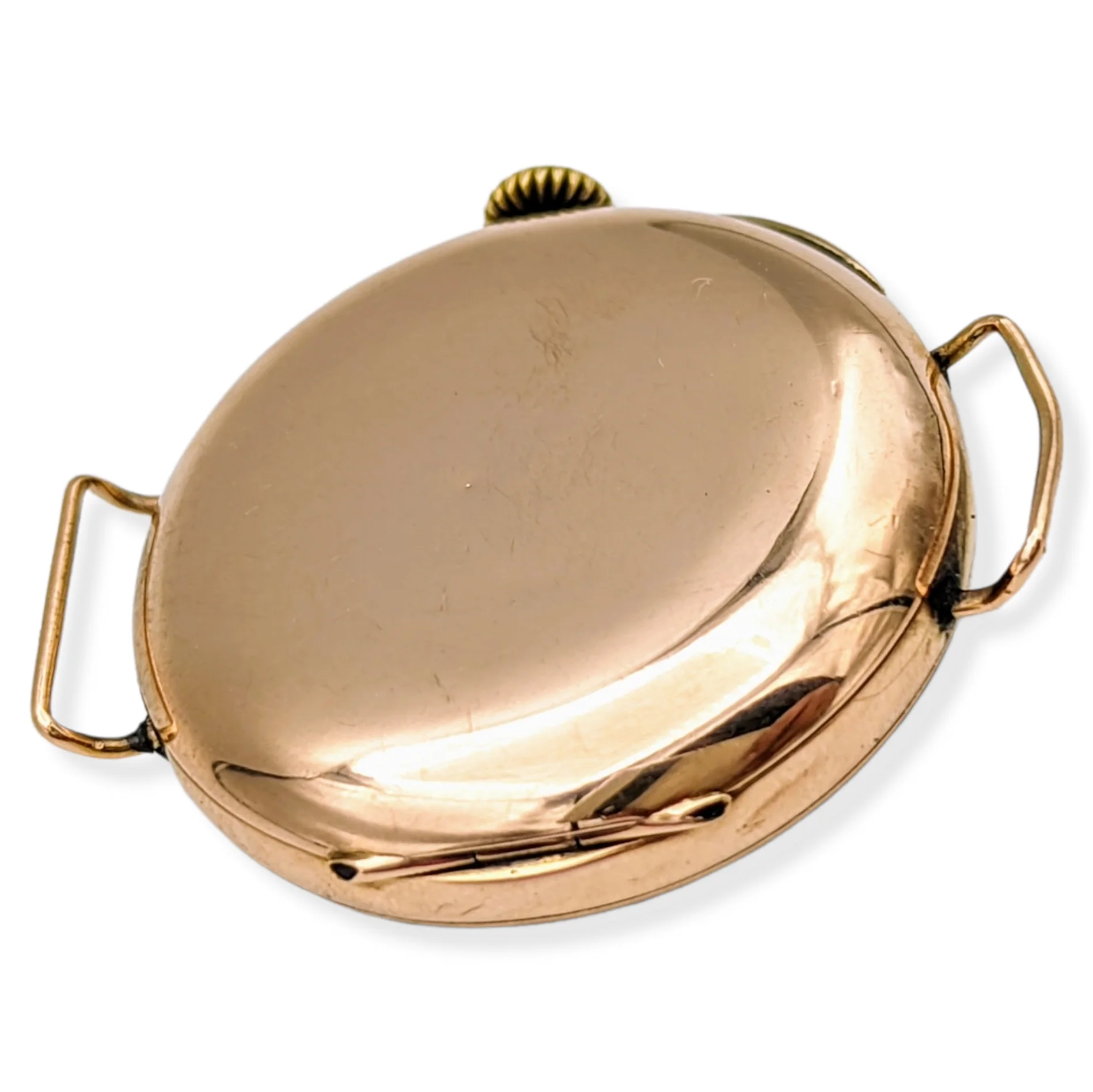
It has a stunning 22mm round shape case, all in 14K solid gold. Wire lugs. The watch is coming with a vintage bund one-piece brown leather strap.
This watch is in LOVELY condition! Running very well and keeping good time.
Thank you for looking! Please feel free to contact us with any questions, or respectful offers.
Movement:
Rebberg W. Co.
7 Jewels
2 Adjustments
Switzerland
DEPOSE
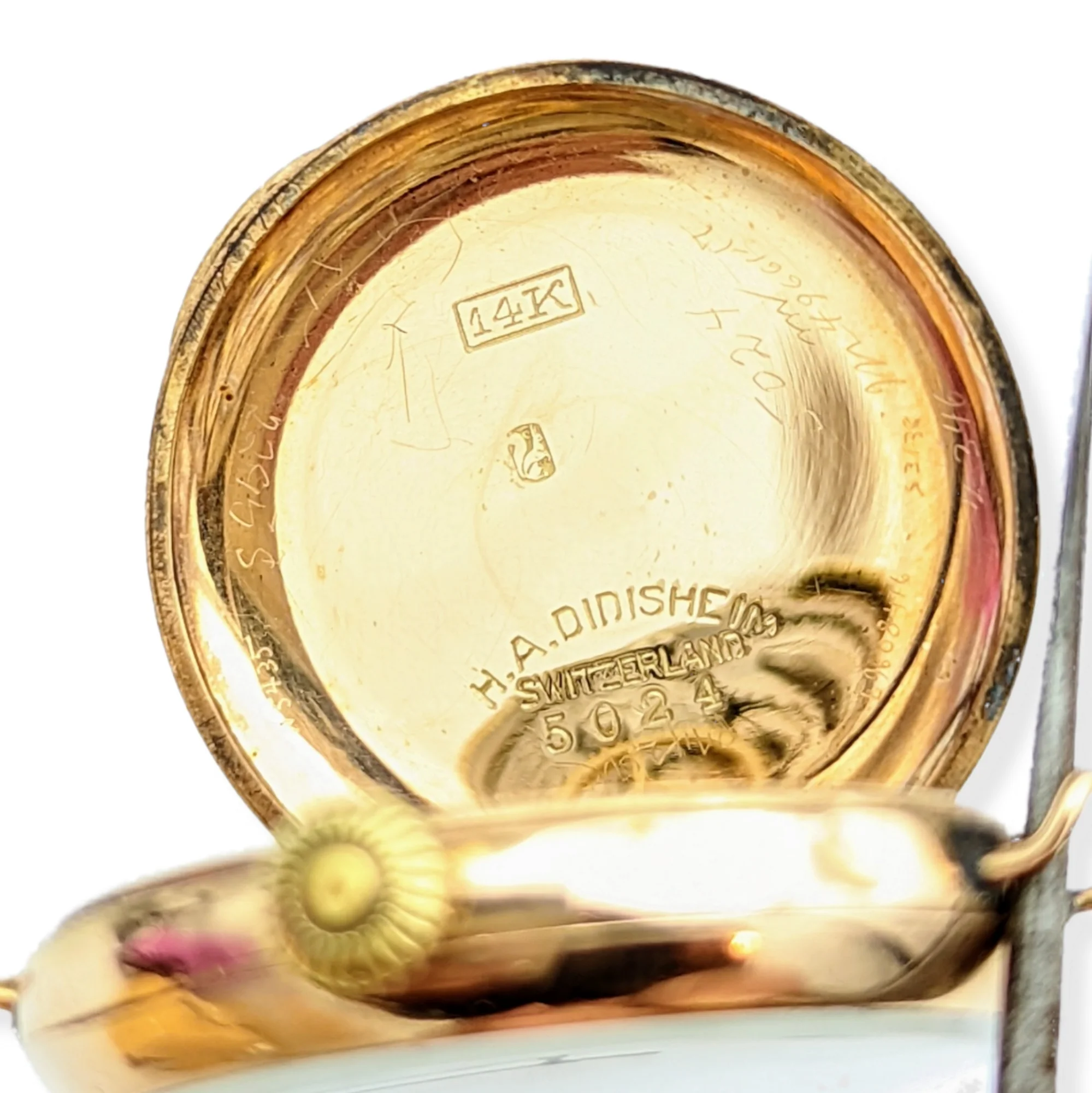
Case Back Signed:
14K
H. A. DIDISHEIM
Switzerland
5024
Measures (mm):
Case Diameter 28
Case Lug to Lug 34
Case Thickness 9
Lug Width 10
Band Width 10
Vintage watches are traditionally smaller than today's watches. Men's watches typically measure between 29-36mm (some larger, some smaller) wide excluding the crown. In the listing details we typically try to do our best to list all pertinent dimensions of a watch. If you don't see it, or we failed to do so, please reach out to us. Women's watches from the 1900s-1970s were also somewhat smaller than today’s offerings in many cases. Please also feel free to ask any questions you have pertaining to size.
We prefer to shoot photographs outside when weather is permitting. However, when we shoot indoors, please be aware that we shoot our photographs inside of lightboxes that are lit with 360 LED bulbs. This indeed magnifies any flaws. Usually, they are much less obvious to the naked eye. Having said that, we never photoshop any of our photography, remove blemishes, etc. We adjust light, when necessary, but what you see is what you are getting, and we take pride in that.
The condition is pre-owned.
The item may have some signs of cosmetic wear, but is fully operational and functions as intended.
See all the photos, feel free to ask questions if you have any.
It will be carefully packed.
Check out my other items listed.
Thanks for looking!
WA-1468
About...
AEGLER - Rebberg - Rolex
Aegler S.A. was a watch movements maker in Bienne/Biel. For decades, Aegler S.A. was the primary supplier of movements for Rolex, until finally being purchased in 2004.
In 1878, Jean Aegler -a Swiss watchmaker- in his own house with his wife, Anna Maria Ramser, had the trade of watchmaking. In 1881, he bought an industrial workshop in Bienne/Biel which he transformed into a factory. Jean Aegler specialized in the manufacture of small watch movements, such as ladies watches, pendants watches and remontoirs. All that, thanks to the development of a 20mm movement, launched himself into the wristwatch market.
In November 1888, the firm received one of the first Swiss patents, number 243 -the stem wind mechanism-. In 1891, Jean Aegler died and his widow took over running the company and relocated the company to Rue du Vignoble (now known as La Haute-Route) in the Rebberg hills above Bienne. The company soon advertised as being located at the Rebberg factory, and this soon became as the brand of watches too.
Responding to a call from Hans Wilsdorf -a German/British businessman, best known as the founder of Rolex- and his bother-in-law, Alfred Davis, who were in the process of launching their own brand from London. In 1901, Aegler firm was selected and by 1905 became the sole supplier of the London watch company "Wildsdorf & Davis" with movements. In 1906, Jean's son took over and the firm became known as Les Fils de Jean Aegler.
In 1908, the firm began branding its watches "Rolex". Then, Wilsdorf asked Aegler to increase production for his firm. In 1912, the company officially renamed itself "Les fils de Jean Aegler, Fabrique de montres Rebberg, Final & Rolex". For a few years more, focusing on ladies models, Aegler continued producing watches under the name the Rebberg and Final brands.
To work with the firm, Wildsdorf & Davis, experienced success a few years later when the Aegler wrist watches will be the first in the world to be certified by the Swiss Society of Chronometry. Finally, the company was reorganized on July 30, 1914 and became Aegler S.A., Rolex Watch Co. Also, by 1915, Wilsdorf & Davis changed its name officially to Rolex and moved to Geneva in 1919.
Business between Rolex and Jean Aegler flourished until by 1920, Rolex was Aegler's largest customer and Hermann Aegler invested in the survival of his largest customer by purchasing 6,950 shares and was appointed to the board. The second largest customer of Aegler was the US firm Gruen. As business recovers after the post-war, both Rolex and Gruen became large shareholders in Aegler. In 1929, the trading name of Aegler company became "Aegler, S.A., Fabrique des Montres Rolex and Gruen Guild A."
Both Gruen and Rolex showed pictures of the Aegler factory building in their advertising, each with their own name added to the picture, implying that it was Gruen or Rolex owned factory. The two companies sold Aegler watches only in their respective territories; Rolex had Europe, Asia and the British Empire; whilst the Gruen brothers in the US only.
Around 1930, during the Great Depression, Gruen ceased buying movements and made all their Swiss movements in their own factory "Gruen Precision Factory" in Biel/Bienne. At this point, Aegler officially dis-associated itself from Gruen and agreed to supply all the movements that they produced exclusively to Rolex. The trading name of the company changed to "Manufacture des Montres Rolex, Aegler S.A.", although the company remained owned by the Eagler and Borer families and the legal name remained Aegler S.A. When the territorial distribution agreement between Gruen and Rolex lapsed, Rolex were able to sell watches in the U.S.A. for the first time. In 1977, the Gruen Precision Factory in Biel/Bienne was sold and the building was acquired by Aegler S.A.
"Aegler produced the famous Perpetual movement, invented by Aegler employee, Emile Borer. Other famous product of the Aegler factory include the Datejust and Day-Date movements, and the Parachrom hairspring material."
The factory will change its name to become Manufacture des Montres Rolex and finally, the owner Harry Borer sold the company to Rolex S.A. in 2004.
Details & Craftsmanship
Every detail has been carefully considered to bring you the perfect product.
Details & Craftsmanship
Every detail has been carefully considered to bring you the perfect product.
Details & Craftsmanship
Every detail has been carefully considered to bring you the perfect product.
Details & Craftsmanship
Every detail has been carefully considered to bring you the perfect product.
Details & Craftsmanship
Every detail has been carefully considered to bring you the perfect product.
Details & Craftsmanship
Every detail has been carefully considered to bring you the perfect product.
Details & Craftsmanship
Every detail has been carefully considered to bring you the perfect product.
Details & Craftsmanship
Every detail has been carefully considered to bring you the perfect product.
Details & Craftsmanship
Every detail has been carefully considered to bring you the perfect product.
Details & Craftsmanship
Every detail has been carefully considered to bring you the perfect product.
Details & Craftsmanship
Every detail has been carefully considered to bring you the perfect product.
Details & Craftsmanship
Every detail has been carefully considered to bring you the perfect product.
Details & Craftsmanship
Every detail has been carefully considered to bring you the perfect product.
Details & Craftsmanship
Every detail has been carefully considered to bring you the perfect product.
Details & Craftsmanship
Every detail has been carefully considered to bring you the perfect product.
Details & Craftsmanship
Every detail has been carefully considered to bring you the perfect product.
Details & Craftsmanship
Every detail has been carefully considered to bring you the perfect product.
Details & Craftsmanship
Every detail has been carefully considered to bring you the perfect product.
Details & Craftsmanship
Every detail has been carefully considered to bring you the perfect product.
Description
Langendorf Watch Company was a watchmaker located in Langendorf, Switzerland. The company was founded by Colonel Johann Viktor Kottmann, first as Uhrenfabrik Langendorf S.A. in 1873 to produce ebauches -part of movements for watches- for other watchmaker companies. The factory remained in the hands of his family until 1964.
Around 1880, the company almost suffered an economic collapse, after that, the factory began organizing housing and training of their workers, and it gained a reputation for being socially responsible. "It built schools, a hydrant system and financed the installation of electric light in Langendorf. Also, the Kottmann family founded a society for community work that is still active." It was around the same time when Johann's son, Karl Kottmann took over and brought specialist from westerm Switzerland and helped turn the company around. Karl implemented a rational and mechanized production line. Also, he was the person behind the socially responsible initiatives taken by the company.
From 1887 and onwards, with order flowing in, and production expanded strongly, the factory was deepened, and the company became largely independent of suppliers. By 1890, with around 1,000 employees, the company was probably the largest producer of watches in the world. In 1890, Karl died and the technical director, Lucien Tieche, took over the company and the name was changed to Langendorf Watch Company.
In 1902, Ernst Kottman became manager of the company until 1942. In 1916, the factory employed 1,500 workers and produced 3,000 time-pieces daily. By 1920, the company was also producing alarm clocks. In the same decade, the firm expanded and opened a branch at Lommiswil in 1924 and the following year in La Cahux-de-Fonds. Before his resign, in 1942, Ernst made the change from steam-powered production to electricity.
His brother, Rudolf Kottmann took the position until 1964. In 1959, a new factory would be completed and produced Lanco (an abbreviation of Langendorf Watch Company) watches, the most famous brand of the company. Lanco was discontinued in the late 1960's and revived again from 1971 to around 1980.
Hass Kottmann took over in 1964, but he died in the same year. Then, the company was led by Guido Kottmann and a committe of family members, but due to challenging business conditions, in 1964, the firm joined a conglomerate of watchmakers called "Schweizerischen Gessellschaft fur Uhrenindustrie AG" (SGU). The following year, the company was bought by "Societe Suisse pour l'Industrie Horlogere SA" (SSIH). "The Langendorf Watch Company was attractive for the Lanco brand and its highly sophisticated and semi-automated production line with modern manufacturing equipment. With the acquisition, SSIH managed to broad its product range and got the machinery needed to produce quality products at lower cost than before."
In 1973, the production ceased at the Langendorf factory, and the Lanco brand relegated to the Aetos Watch Company (another sub-branch of SSIH). For a century -1873 to 1973- Langendorf Watch Company was well known for its fine craftsmanship and great attention to detail.
WWI LANCET Trench Watch
- Medical Wristwatch -
14K Gold
"Invaluable for Hospital Work"
This is an INMACULATE timepiece, preserved in time from the WWI, it is a Lancet wristwatch for medical use, a doctors or nurses watch. Dated from the early 1900's, it is a manual wind watch with a Rebberg(*) movement, 7 jewels, two adjustments, sweep second(**), Swiss made and Swiss registered signed as well.
(*) Rebberg W. Co. was a registered as a trademark (brand) by Aegler, S.A., also knowing as the watch manufacturer for early Rolex watches. // Aegler supplied Rebberg high quality watch movements to Wilsdorf & Davis, and also to a lot of other companies.
(**) Sweep seconds hand were very useful to take a pulse by a medical person.
This is an unique piece that after +100 years, still looks preserved in time! It has the original and GORGEOUS white dial with the Red Cross symbol on the dial -the familiar symbol of the Red Cross organization and widely used to imply medical use-, bold Arabic Numerals (the number 12 printed in red) and matching hands. The dial is singed with the Lancet name as well.
It has a stunning 22mm round shape case, all in 14K solid gold. Wire lugs. The watch is coming with a vintage bund one-piece brown leather strap.
This watch is in LOVELY condition! Running very well and keeping good time.
Thank you for looking! Please feel free to contact us with any questions, or respectful offers.
Movement:
Rebberg W. Co.
7 Jewels
2 Adjustments
Switzerland
DEPOSE
Case Back Signed:
14K
H. A. DIDISHEIM
Switzerland
5024
Measures (mm):
Case Diameter 28
Case Lug to Lug 34
Case Thickness 9
Lug Width 10
Band Width 10
Vintage watches are traditionally smaller than today's watches. Men's watches typically measure between 29-36mm (some larger, some smaller) wide excluding the crown. In the listing details we typically try to do our best to list all pertinent dimensions of a watch. If you don't see it, or we failed to do so, please reach out to us. Women's watches from the 1900s-1970s were also somewhat smaller than today’s offerings in many cases. Please also feel free to ask any questions you have pertaining to size.
We prefer to shoot photographs outside when weather is permitting. However, when we shoot indoors, please be aware that we shoot our photographs inside of lightboxes that are lit with 360 LED bulbs. This indeed magnifies any flaws. Usually, they are much less obvious to the naked eye. Having said that, we never photoshop any of our photography, remove blemishes, etc. We adjust light, when necessary, but what you see is what you are getting, and we take pride in that.
The condition is pre-owned.
The item may have some signs of cosmetic wear, but is fully operational and functions as intended.
See all the photos, feel free to ask questions if you have any.
It will be carefully packed.
Check out my other items listed.
Thanks for looking!
WA-1468
About...
AEGLER - Rebberg - Rolex
Aegler S.A. was a watch movements maker in Bienne/Biel. For decades, Aegler S.A. was the primary supplier of movements for Rolex, until finally being purchased in 2004.
In 1878, Jean Aegler -a Swiss watchmaker- in his own house with his wife, Anna Maria Ramser, had the trade of watchmaking. In 1881, he bought an industrial workshop in Bienne/Biel which he transformed into a factory. Jean Aegler specialized in the manufacture of small watch movements, such as ladies watches, pendants watches and remontoirs. All that, thanks to the development of a 20mm movement, launched himself into the wristwatch market.
In November 1888, the firm received one of the first Swiss patents, number 243 -the stem wind mechanism-. In 1891, Jean Aegler died and his widow took over running the company and relocated the company to Rue du Vignoble (now known as La Haute-Route) in the Rebberg hills above Bienne. The company soon advertised as being located at the Rebberg factory, and this soon became as the brand of watches too.
Responding to a call from Hans Wilsdorf -a German/British businessman, best known as the founder of Rolex- and his bother-in-law, Alfred Davis, who were in the process of launching their own brand from London. In 1901, Aegler firm was selected and by 1905 became the sole supplier of the London watch company "Wildsdorf & Davis" with movements. In 1906, Jean's son took over and the firm became known as Les Fils de Jean Aegler.
In 1908, the firm began branding its watches "Rolex". Then, Wilsdorf asked Aegler to increase production for his firm. In 1912, the company officially renamed itself "Les fils de Jean Aegler, Fabrique de montres Rebberg, Final & Rolex". For a few years more, focusing on ladies models, Aegler continued producing watches under the name the Rebberg and Final brands.
To work with the firm, Wildsdorf & Davis, experienced success a few years later when the Aegler wrist watches will be the first in the world to be certified by the Swiss Society of Chronometry. Finally, the company was reorganized on July 30, 1914 and became Aegler S.A., Rolex Watch Co. Also, by 1915, Wilsdorf & Davis changed its name officially to Rolex and moved to Geneva in 1919.
Business between Rolex and Jean Aegler flourished until by 1920, Rolex was Aegler's largest customer and Hermann Aegler invested in the survival of his largest customer by purchasing 6,950 shares and was appointed to the board. The second largest customer of Aegler was the US firm Gruen. As business recovers after the post-war, both Rolex and Gruen became large shareholders in Aegler. In 1929, the trading name of Aegler company became "Aegler, S.A., Fabrique des Montres Rolex and Gruen Guild A."
Both Gruen and Rolex showed pictures of the Aegler factory building in their advertising, each with their own name added to the picture, implying that it was Gruen or Rolex owned factory. The two companies sold Aegler watches only in their respective territories; Rolex had Europe, Asia and the British Empire; whilst the Gruen brothers in the US only.
Around 1930, during the Great Depression, Gruen ceased buying movements and made all their Swiss movements in their own factory "Gruen Precision Factory" in Biel/Bienne. At this point, Aegler officially dis-associated itself from Gruen and agreed to supply all the movements that they produced exclusively to Rolex. The trading name of the company changed to "Manufacture des Montres Rolex, Aegler S.A.", although the company remained owned by the Eagler and Borer families and the legal name remained Aegler S.A. When the territorial distribution agreement between Gruen and Rolex lapsed, Rolex were able to sell watches in the U.S.A. for the first time. In 1977, the Gruen Precision Factory in Biel/Bienne was sold and the building was acquired by Aegler S.A.
"Aegler produced the famous Perpetual movement, invented by Aegler employee, Emile Borer. Other famous product of the Aegler factory include the Datejust and Day-Date movements, and the Parachrom hairspring material."
The factory will change its name to become Manufacture des Montres Rolex and finally, the owner Harry Borer sold the company to Rolex S.A. in 2004.